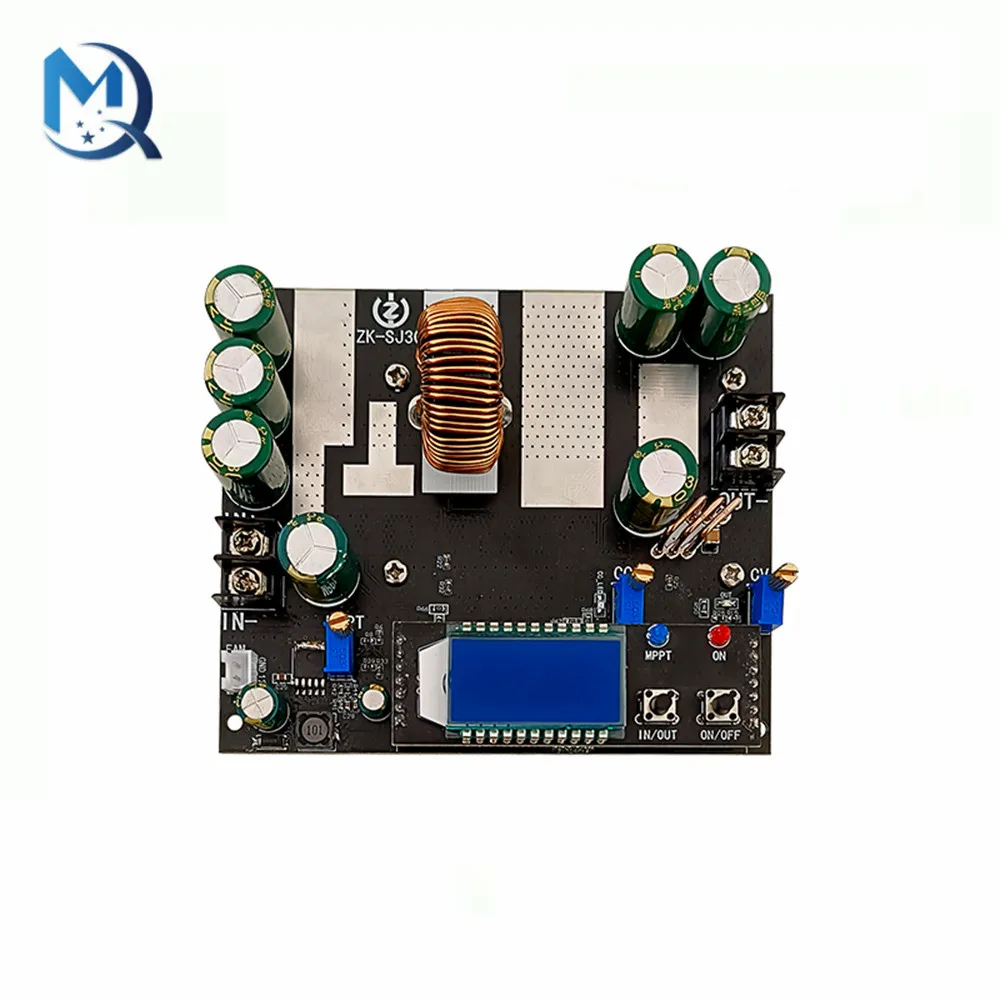
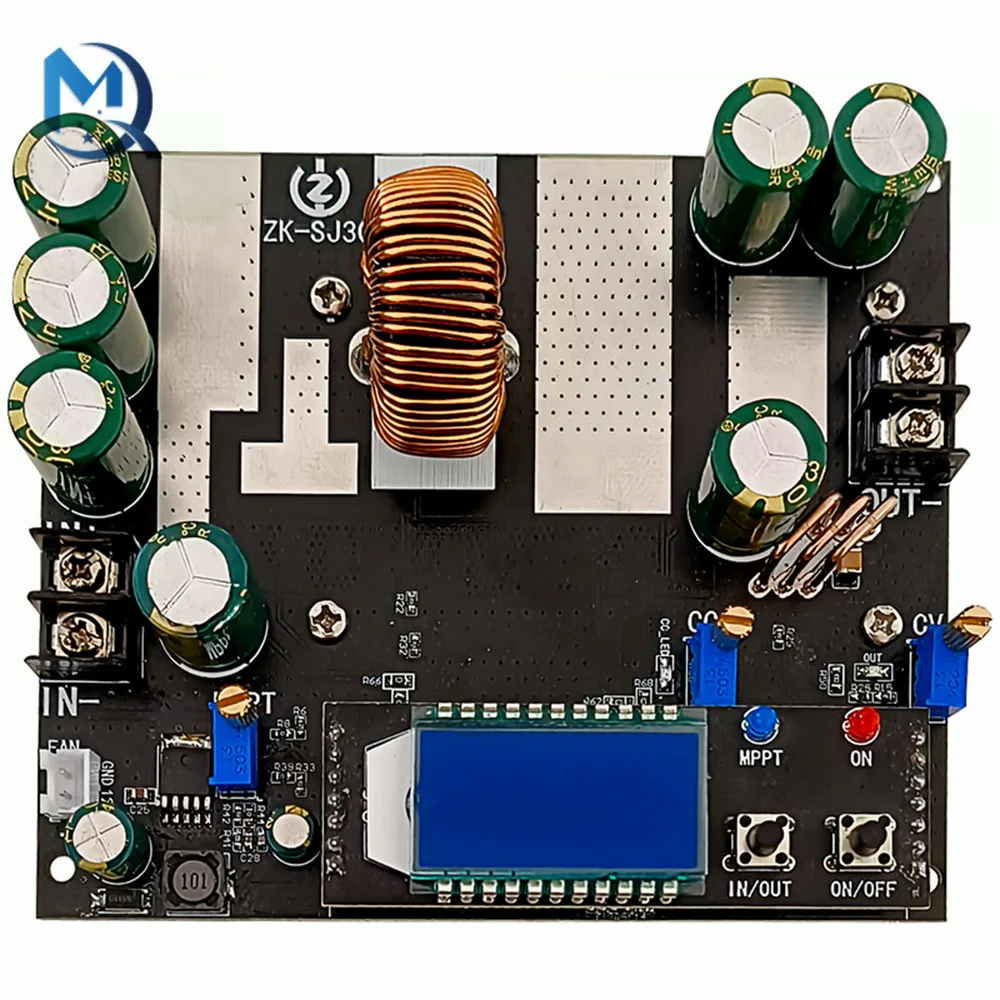
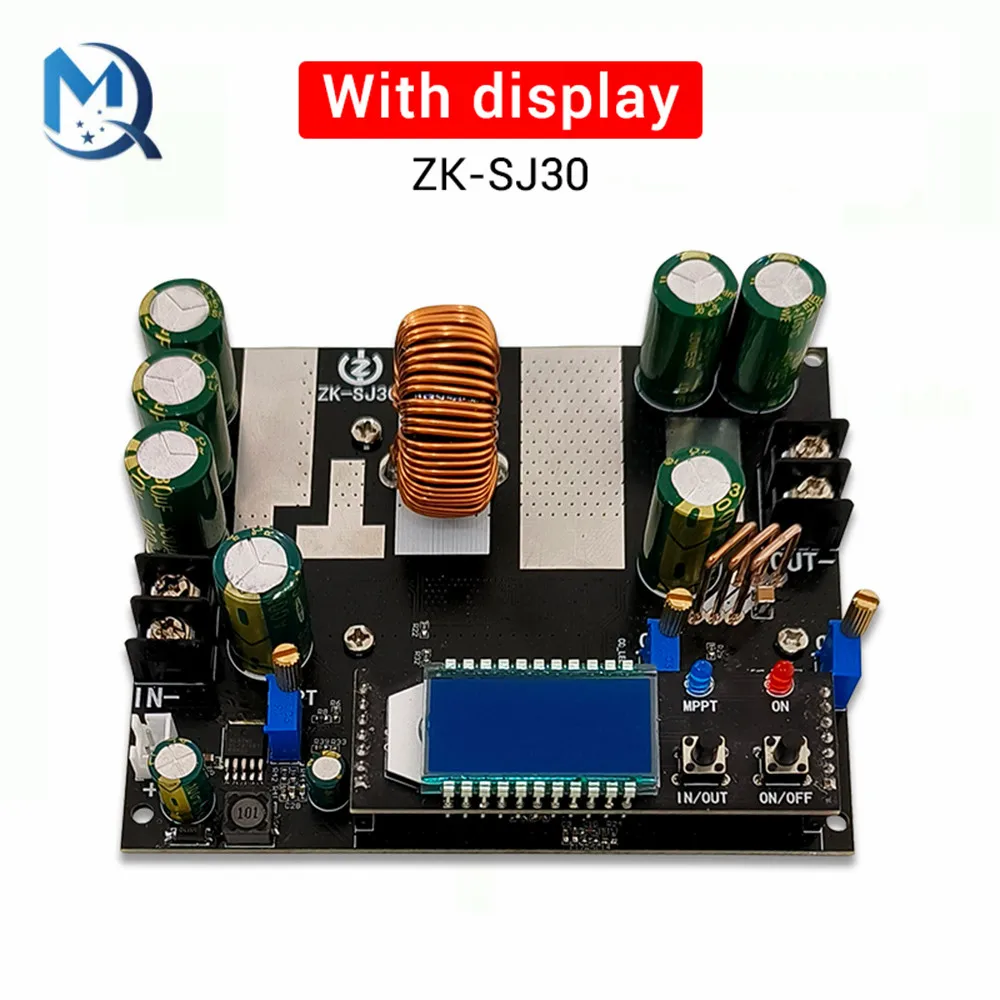
ZK-SJ30 700W High Power Auto Boost Power Module Synchronous Rectifier 30A Solar Charging MPPT
ZK-SJ30 700W High Power Auto Boost Power Module Synchronous Rectifier 30A Solar Charging MPPT
Features:
1. The use of high-quality materials, durable
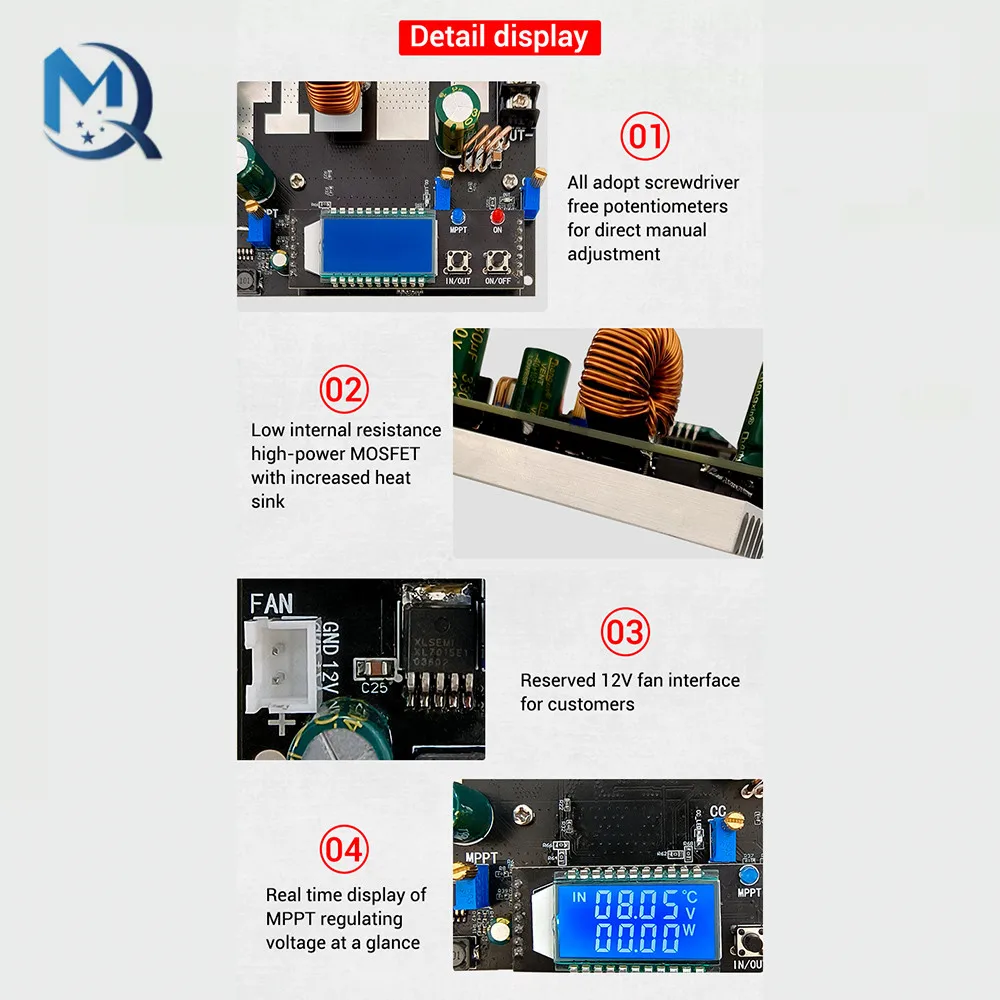
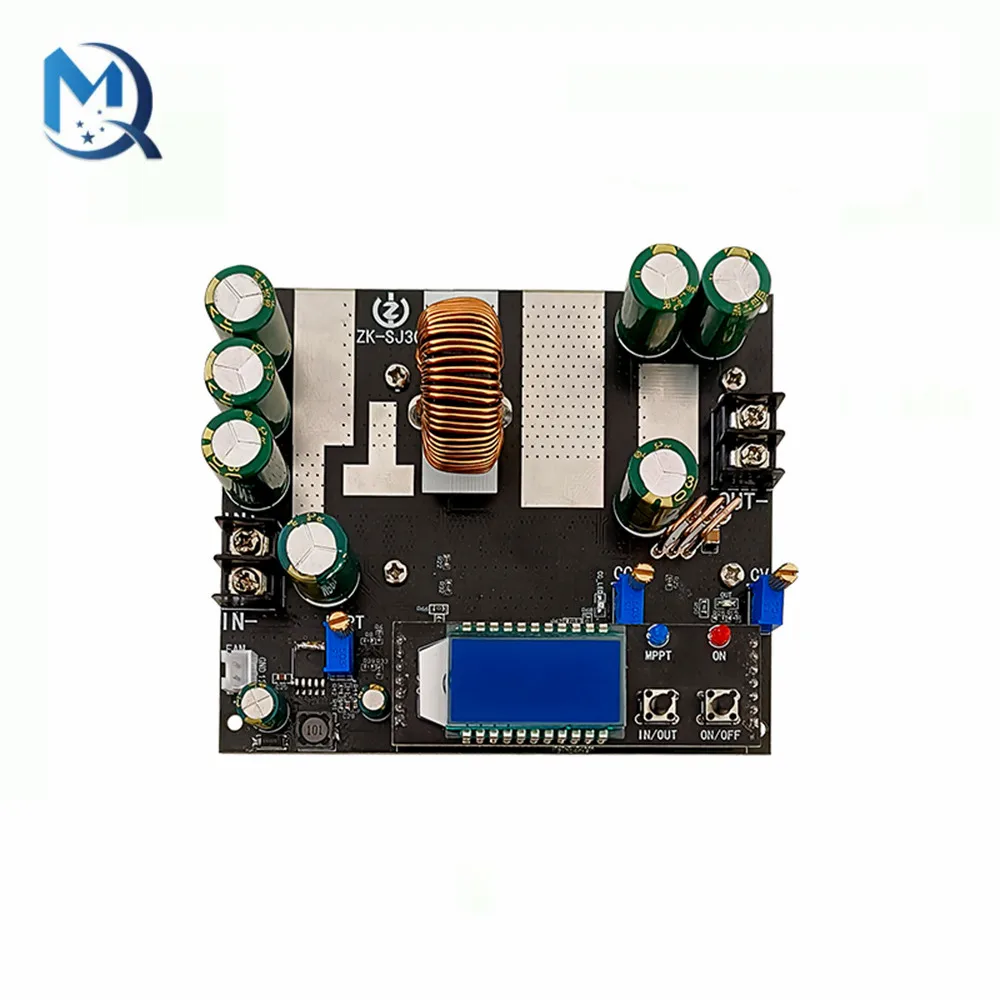
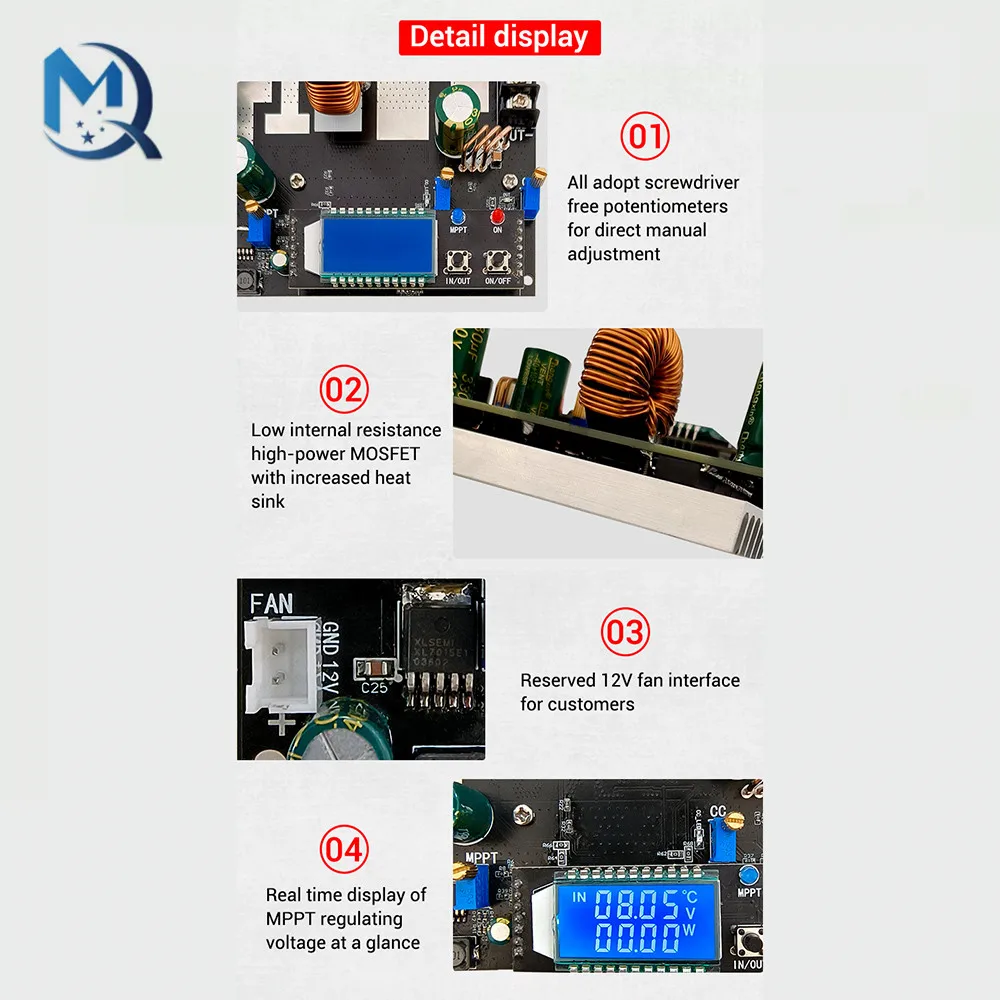
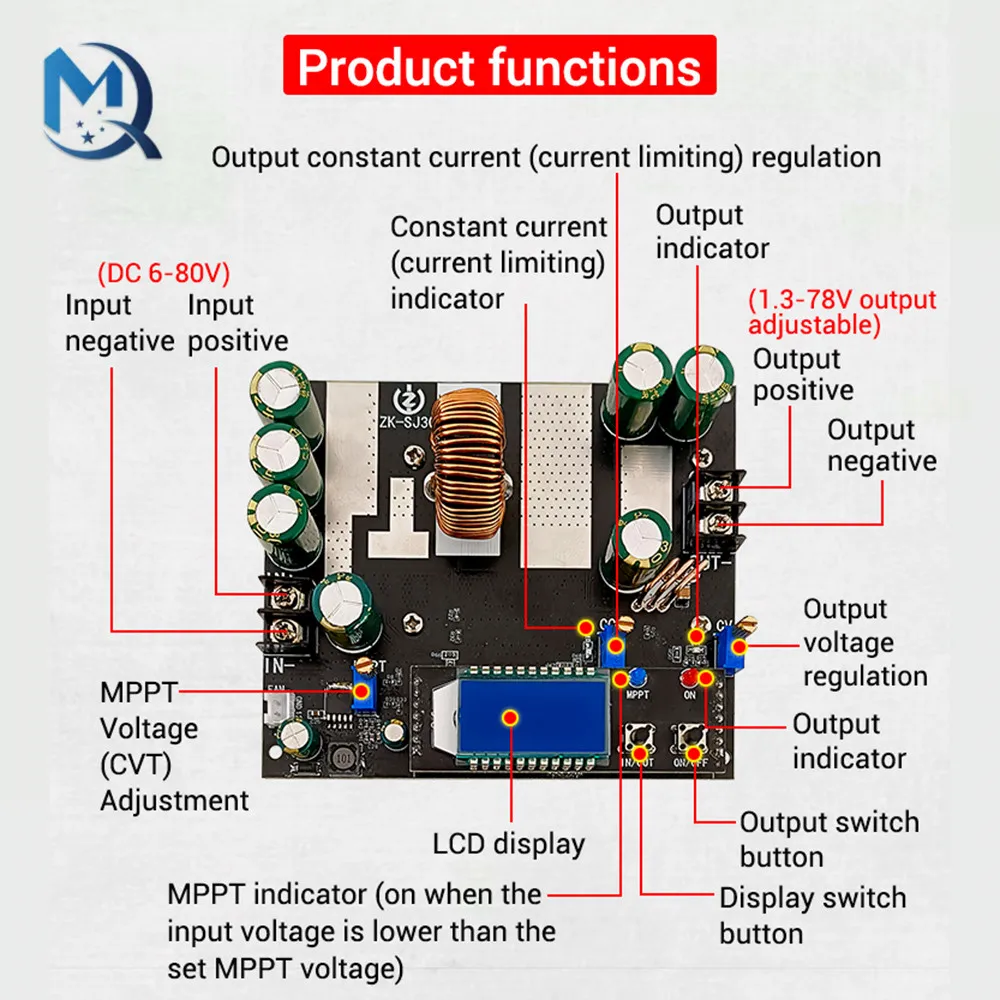
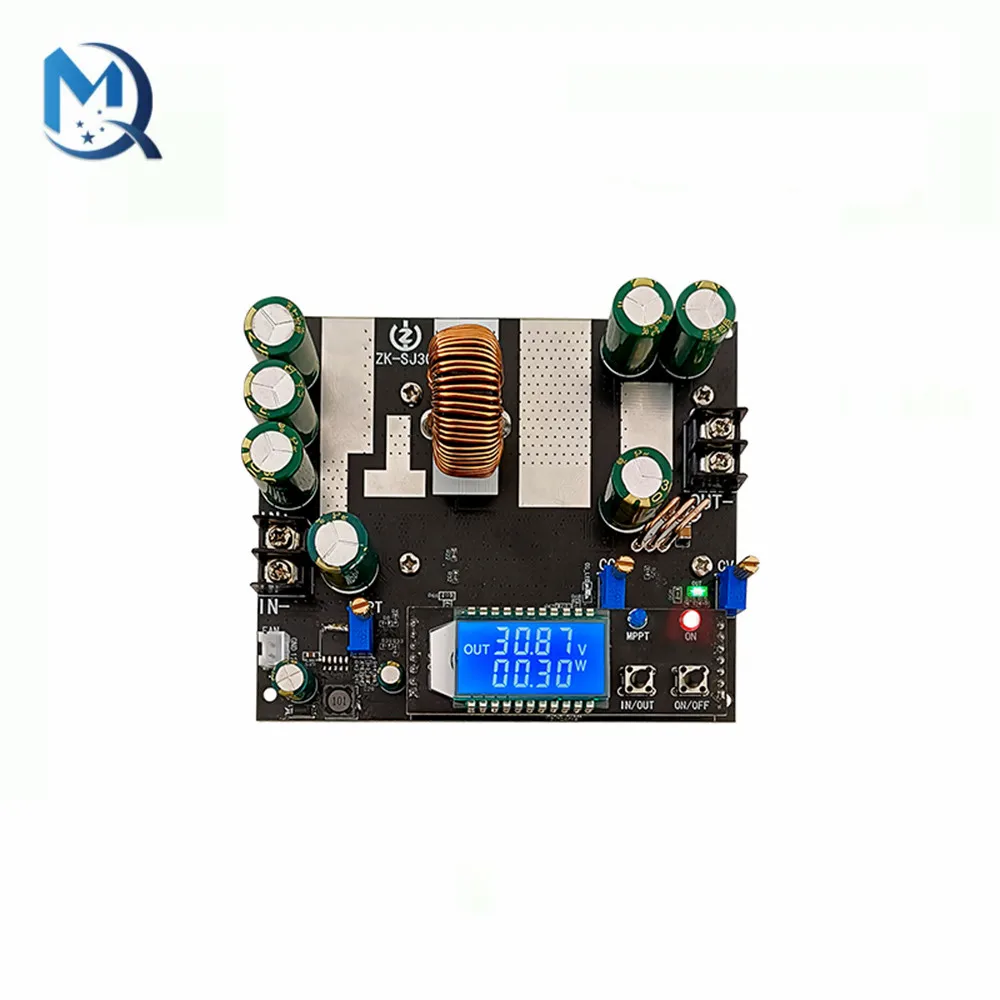
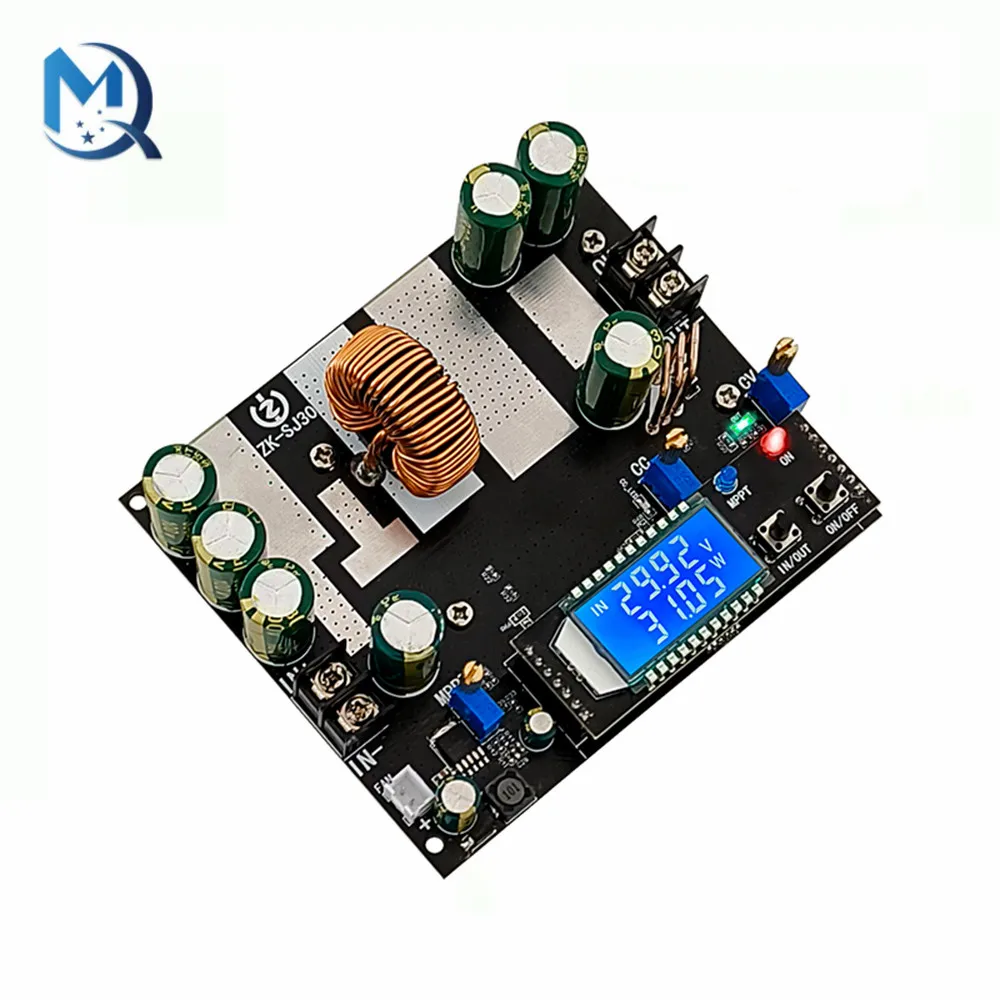
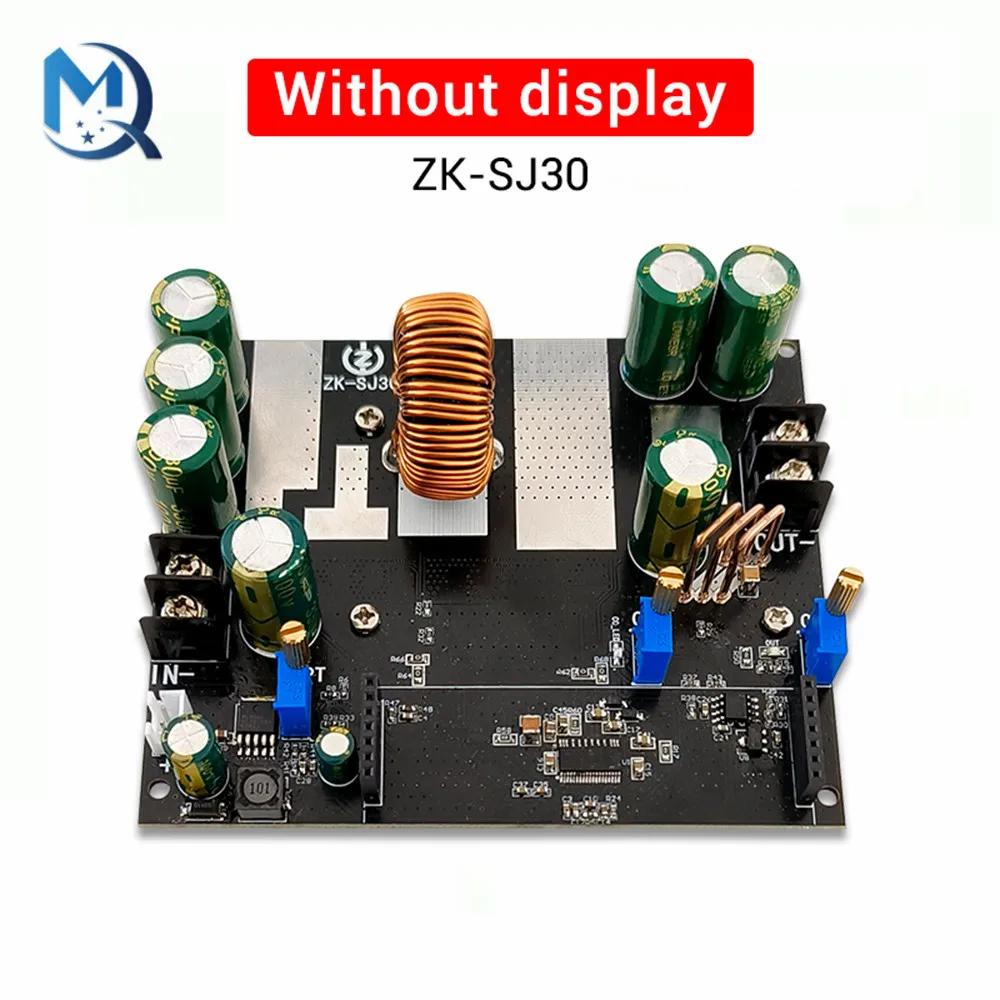
2. All screwscrewer-free potentiometers can be adjusted directly manually, which is more convenient to use
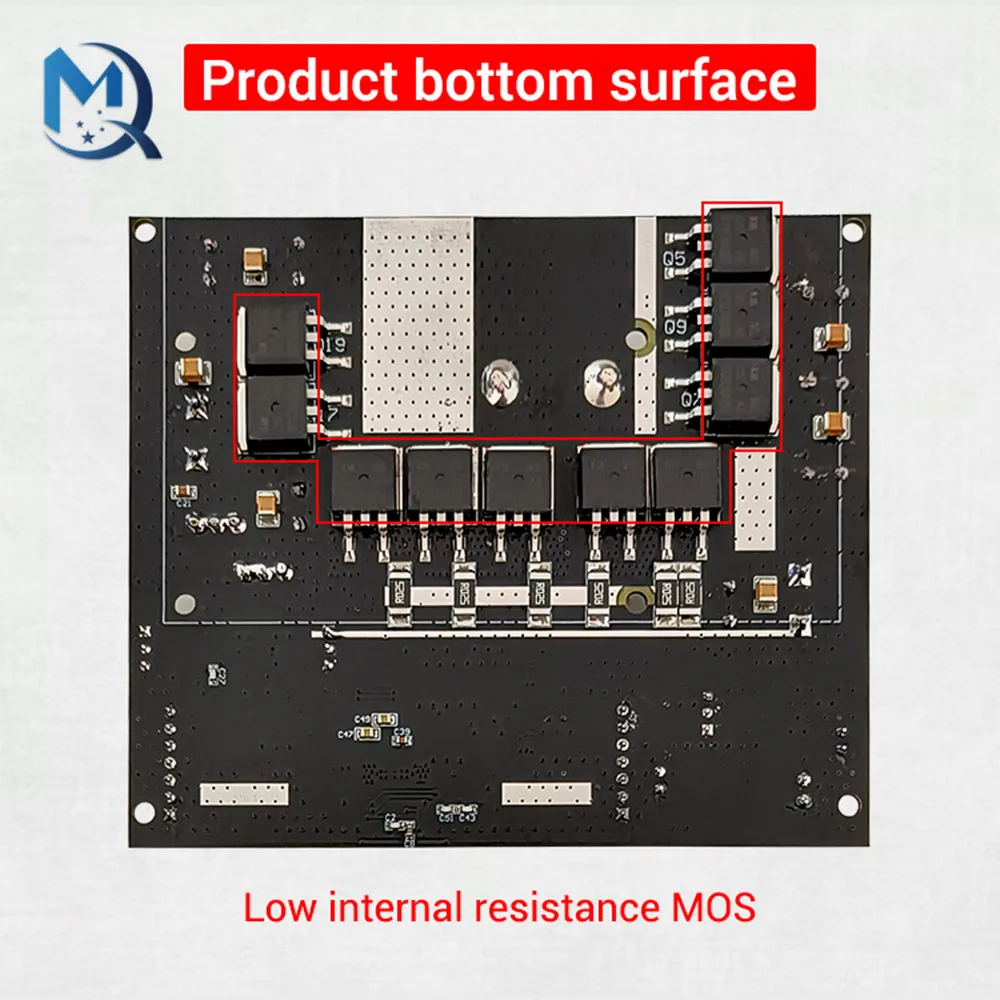
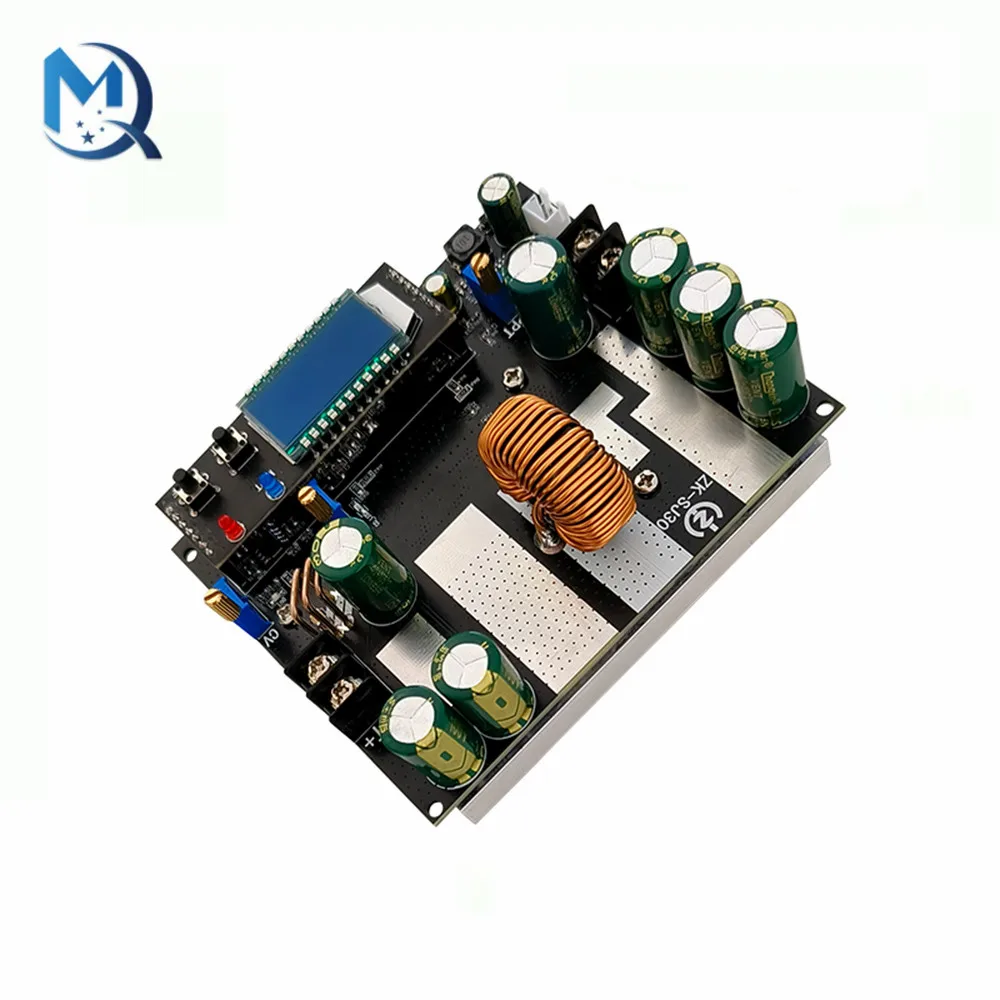
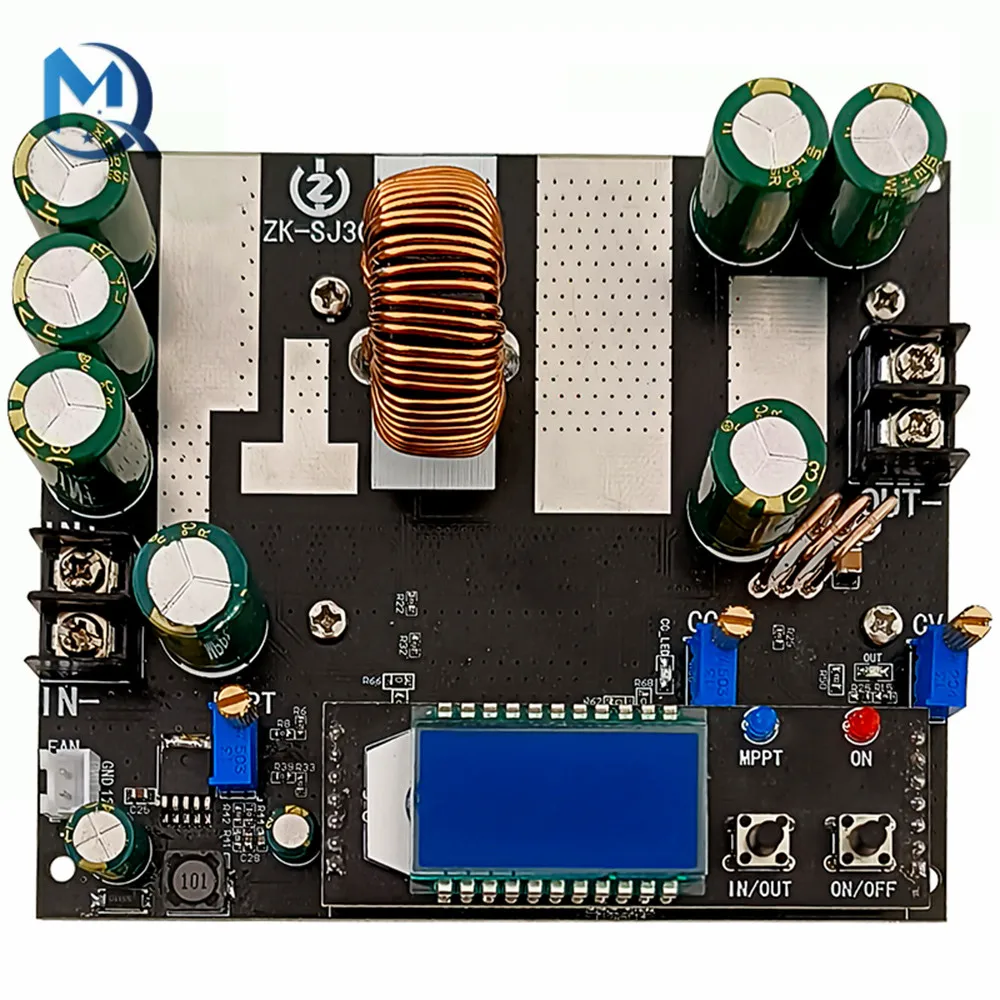
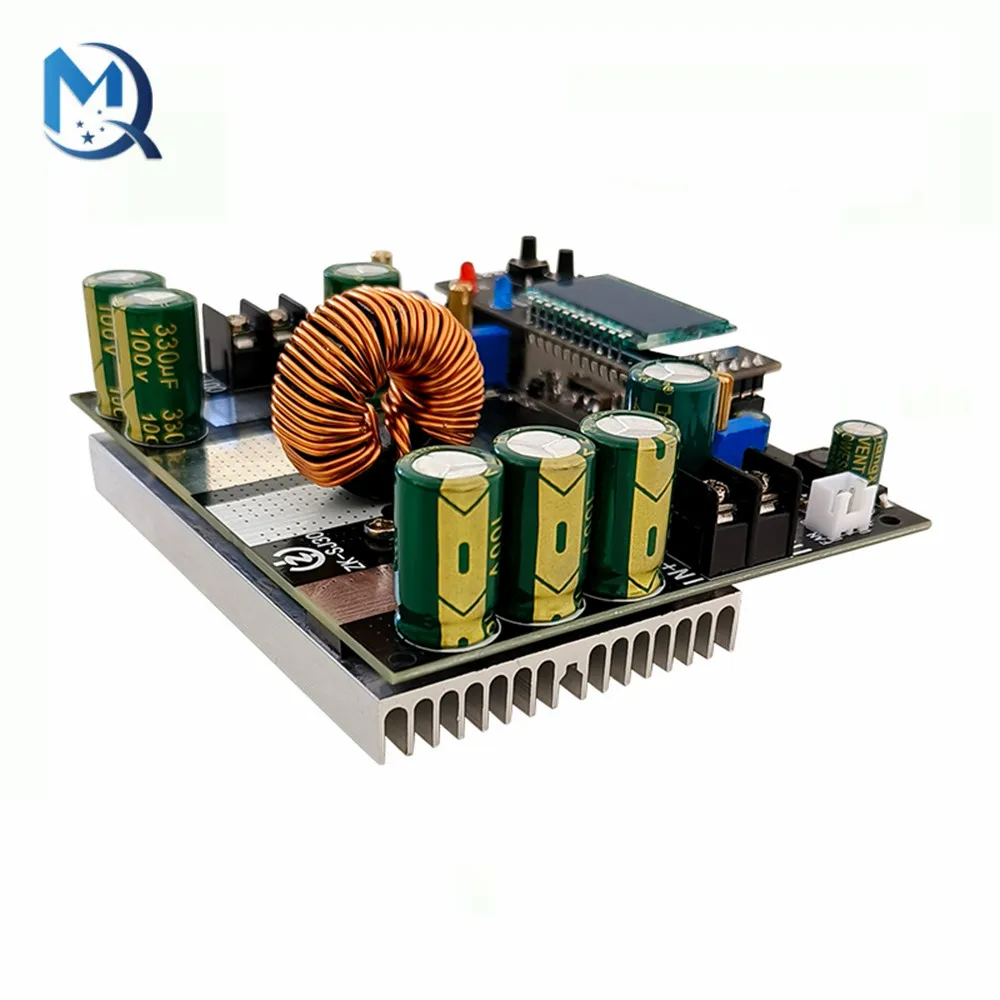
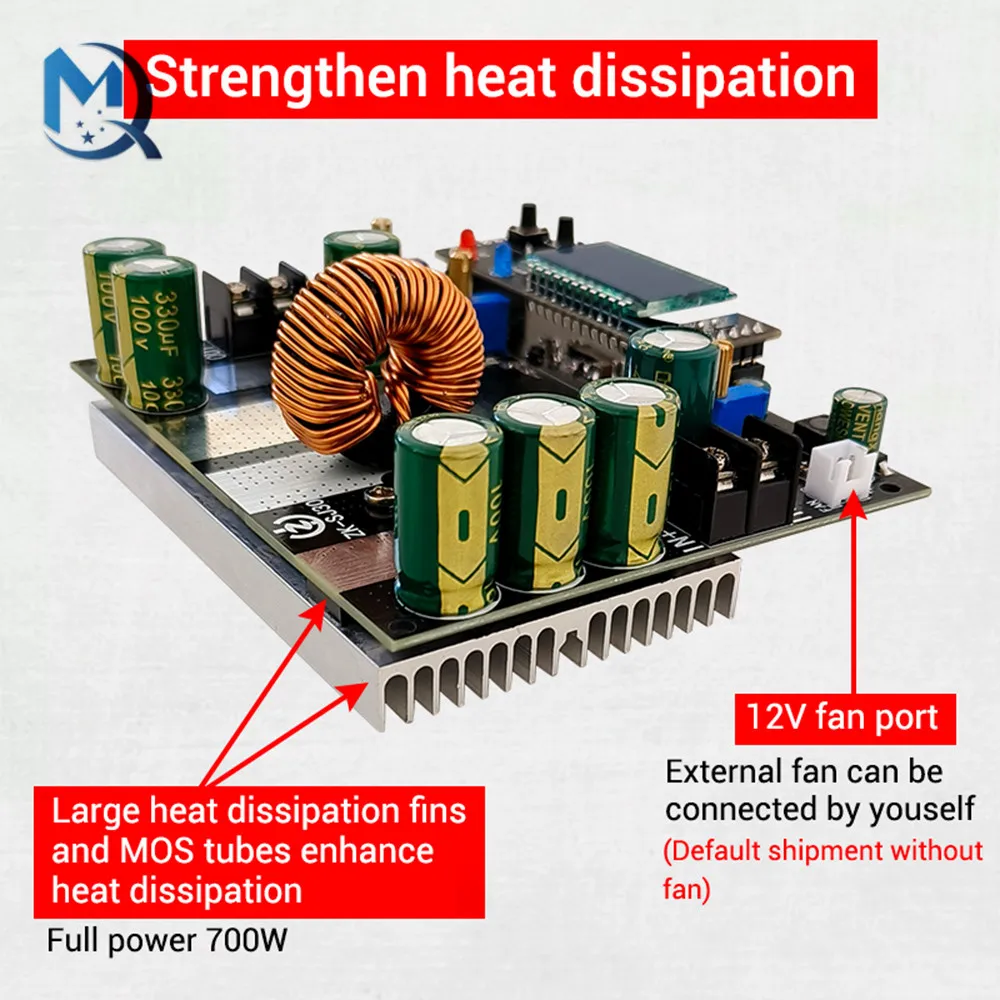
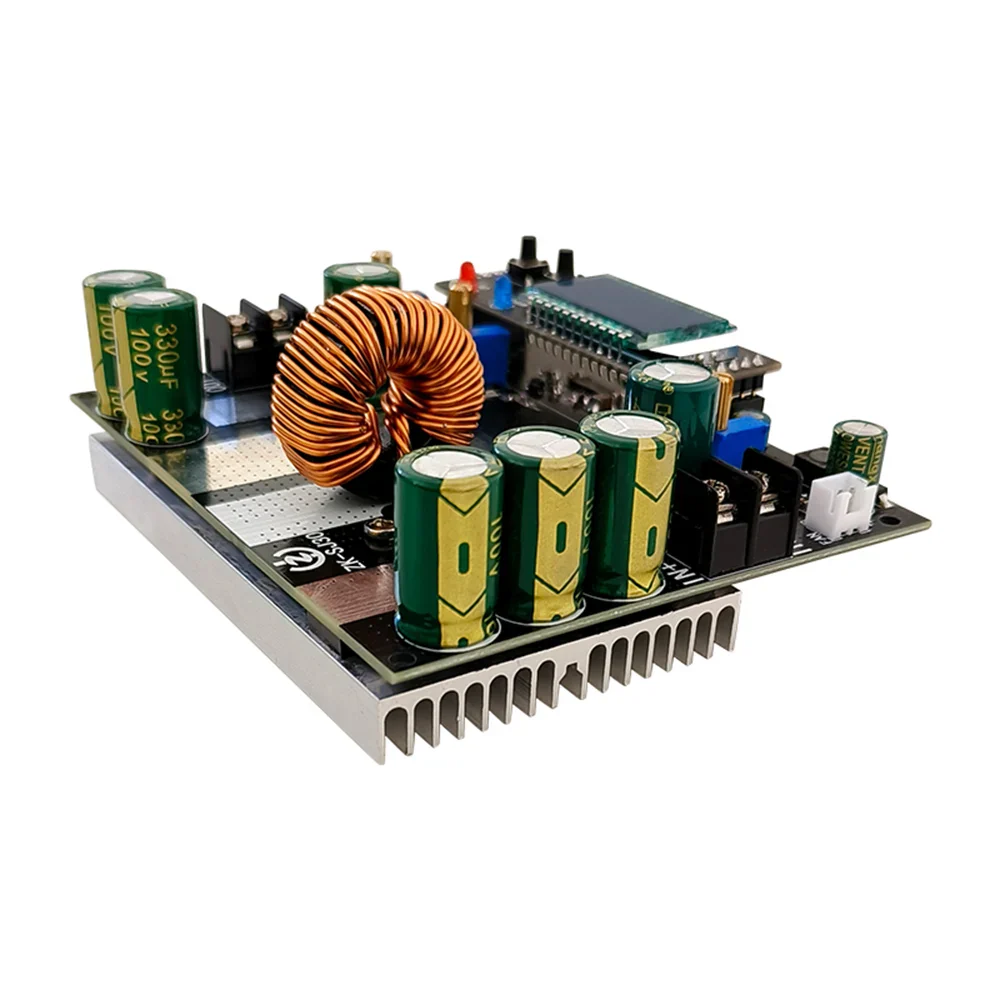
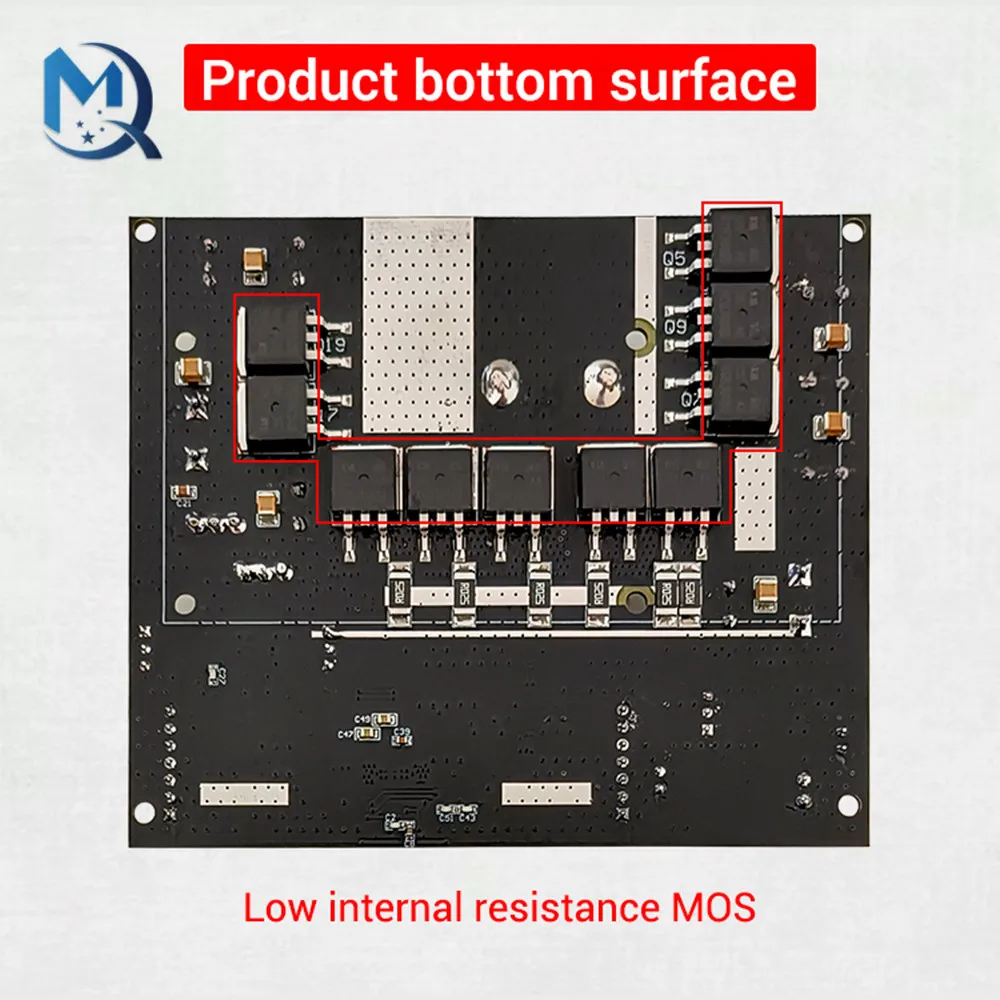
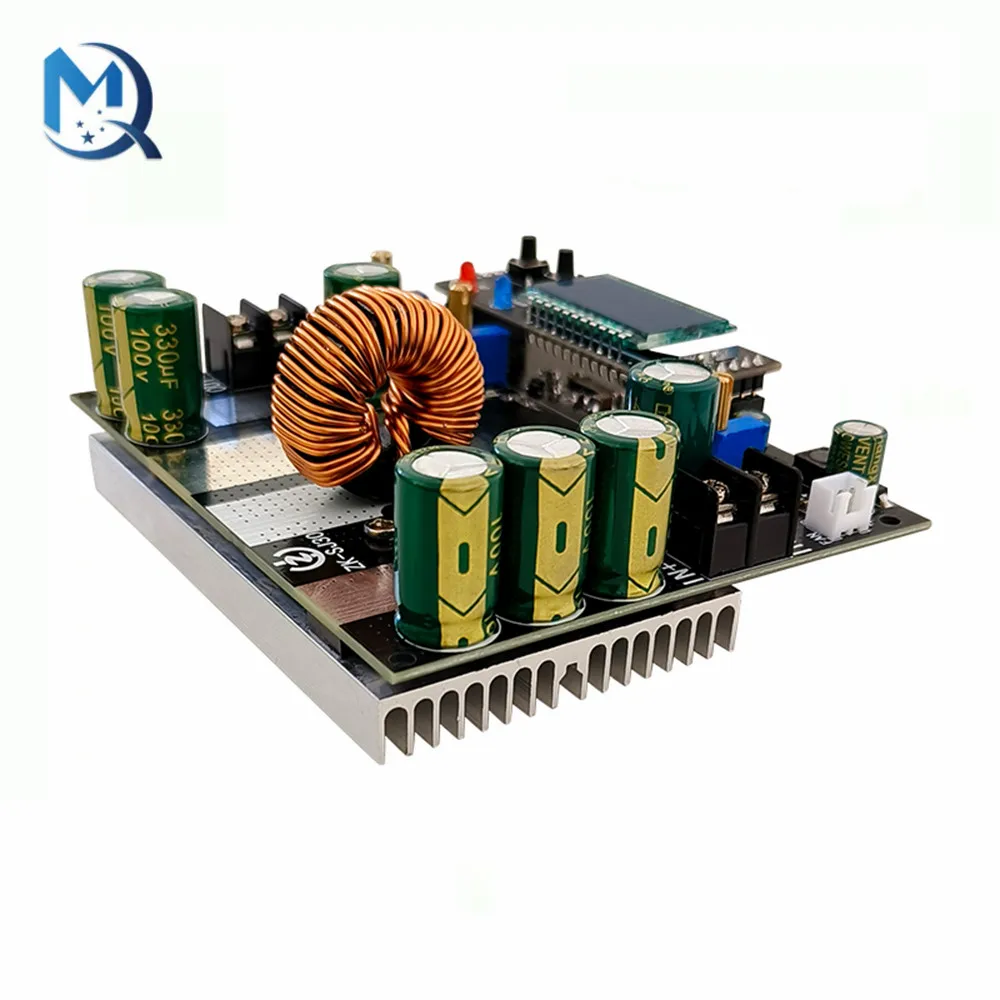
3. Low internal resistance high-power MOS tube, increase the heat sink, stable performance of full power 700W
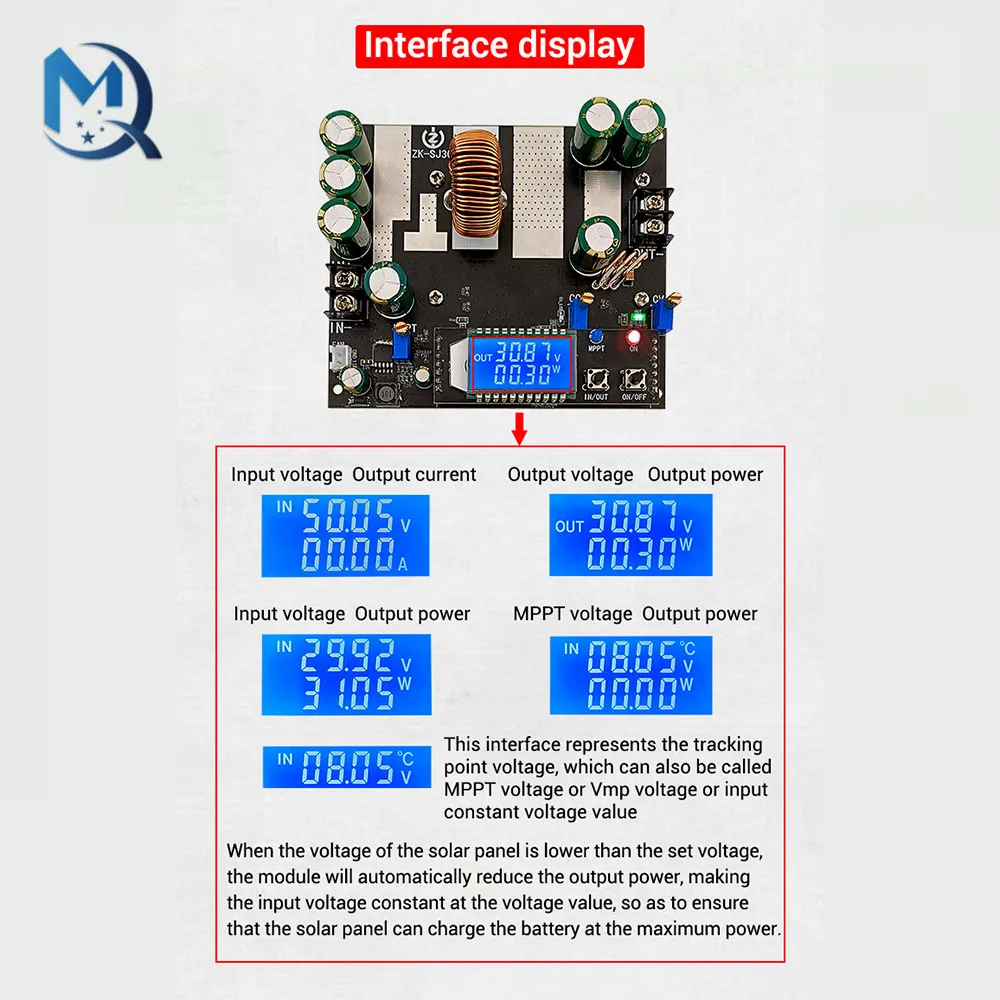
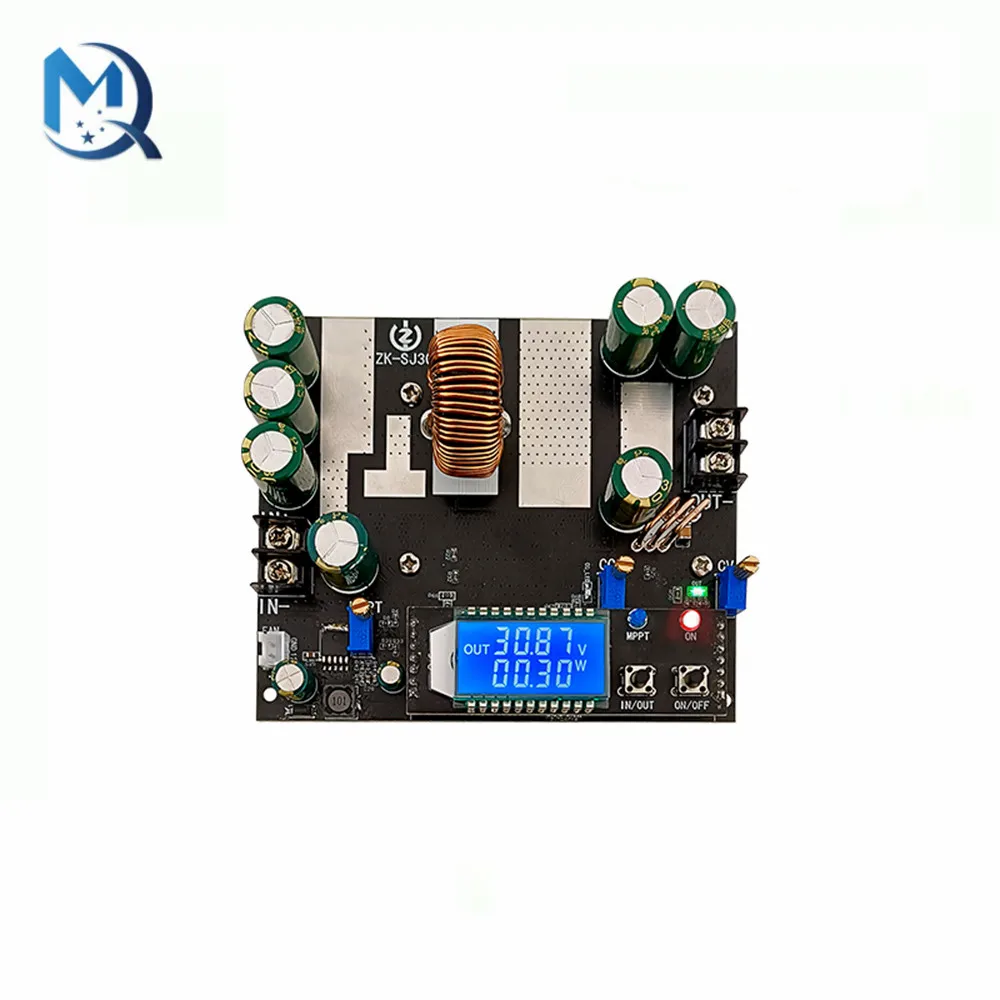
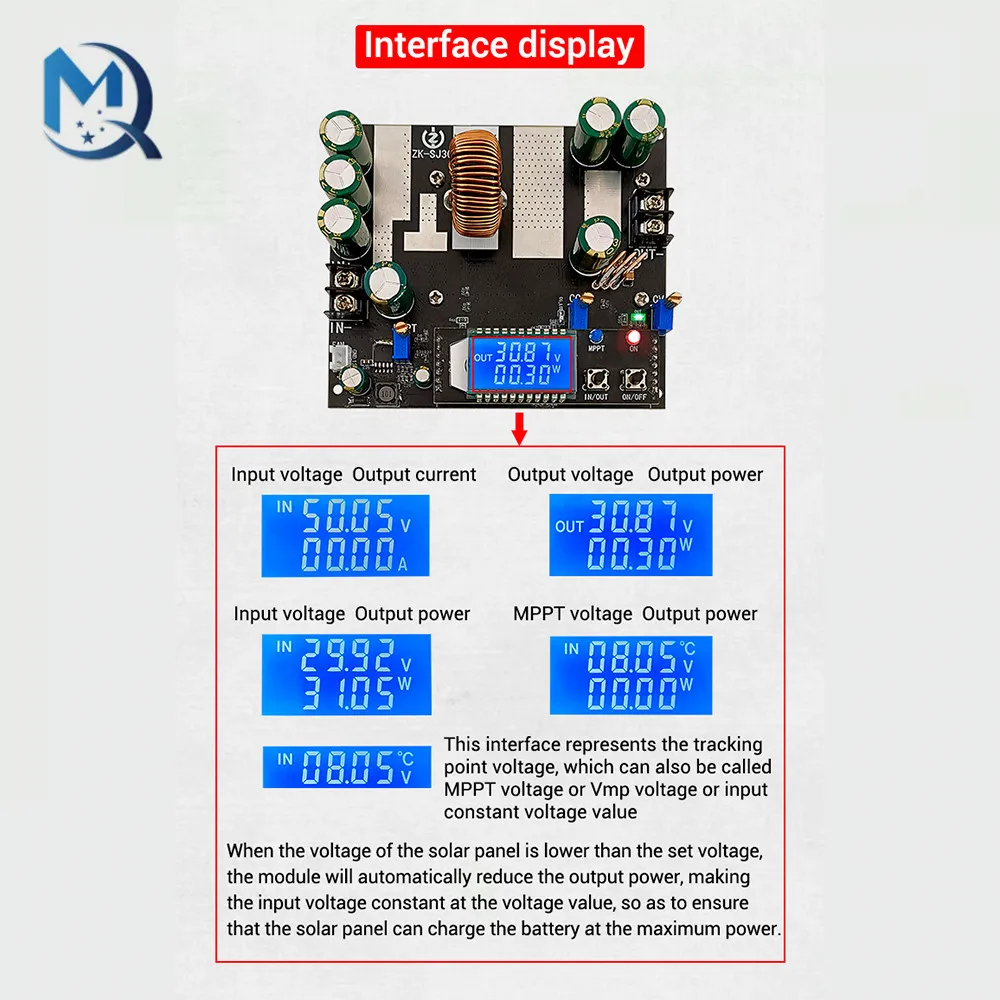
4.MPPT adjust voltage real-time display, use more clear
5. Reserve 12V fan interface for customers, free DIY
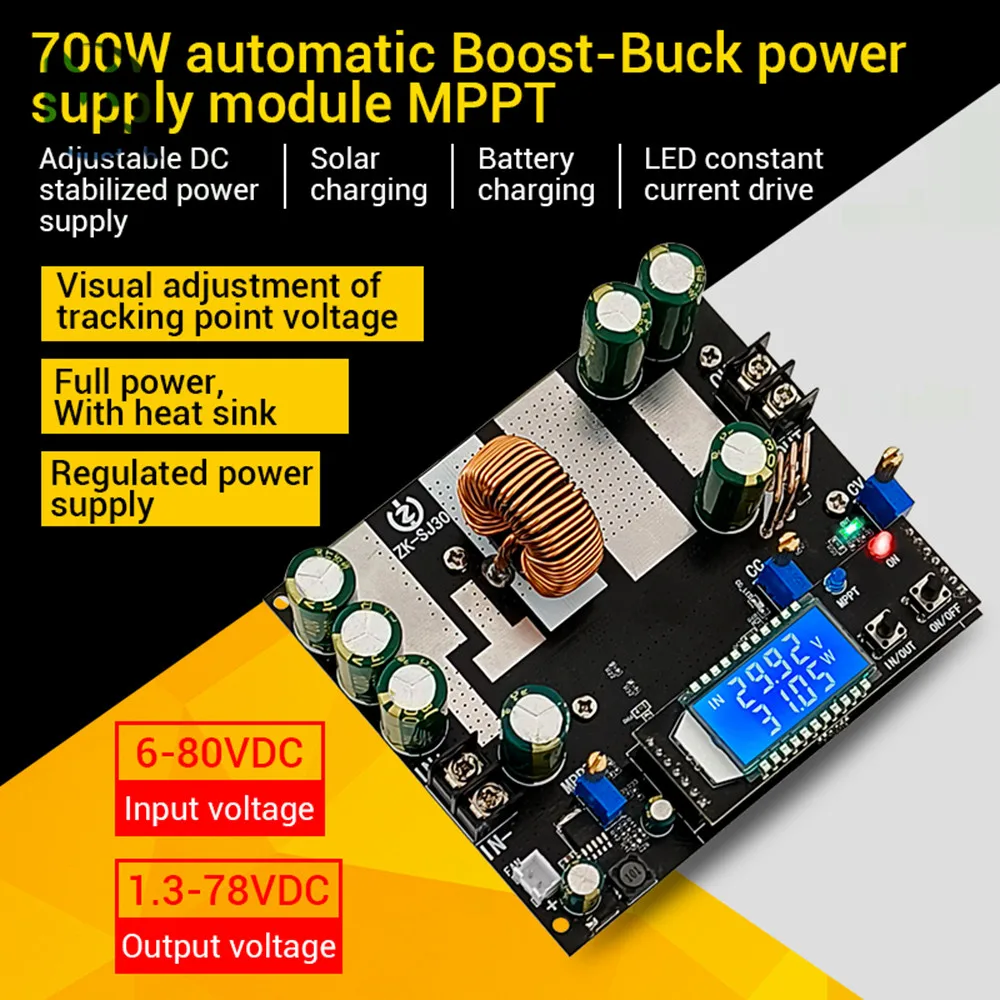
6. Wide range of use, solar charging, battery lithium battery charging, LED constant current drive, regulated power supply and so on
Parameter:
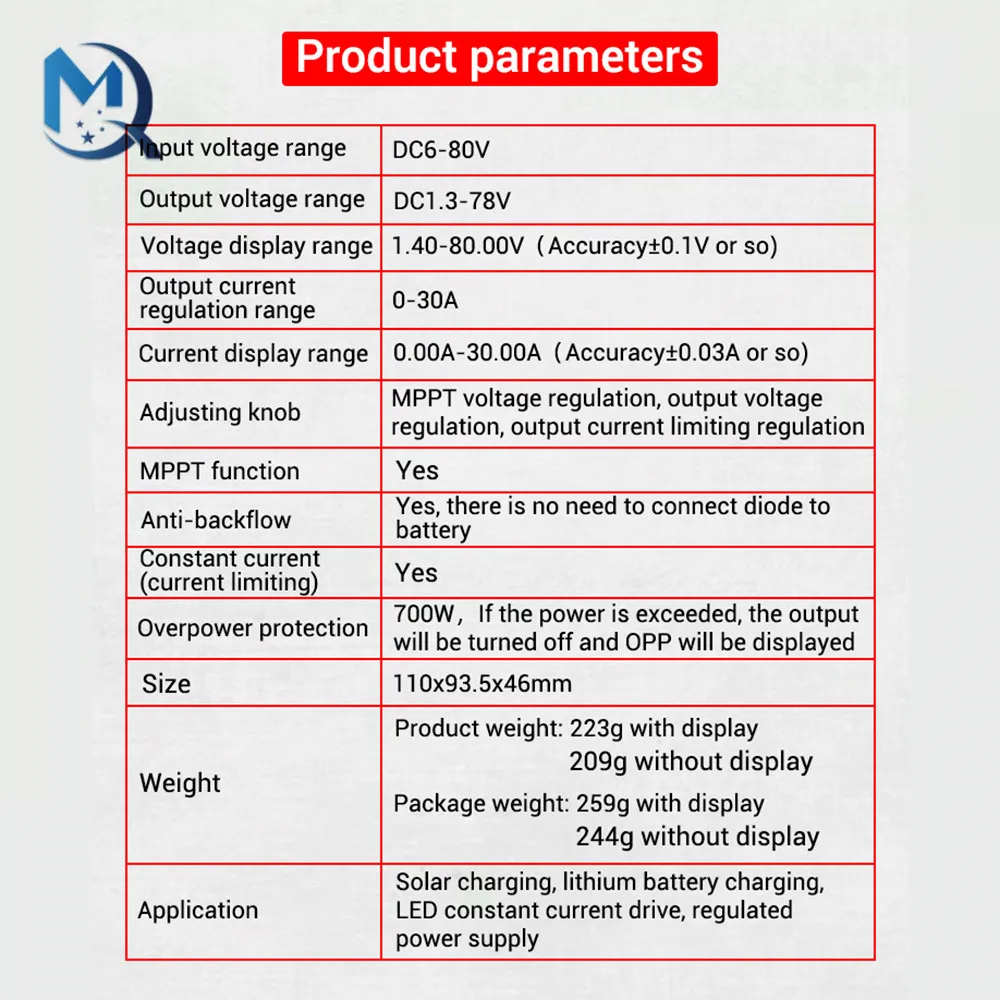
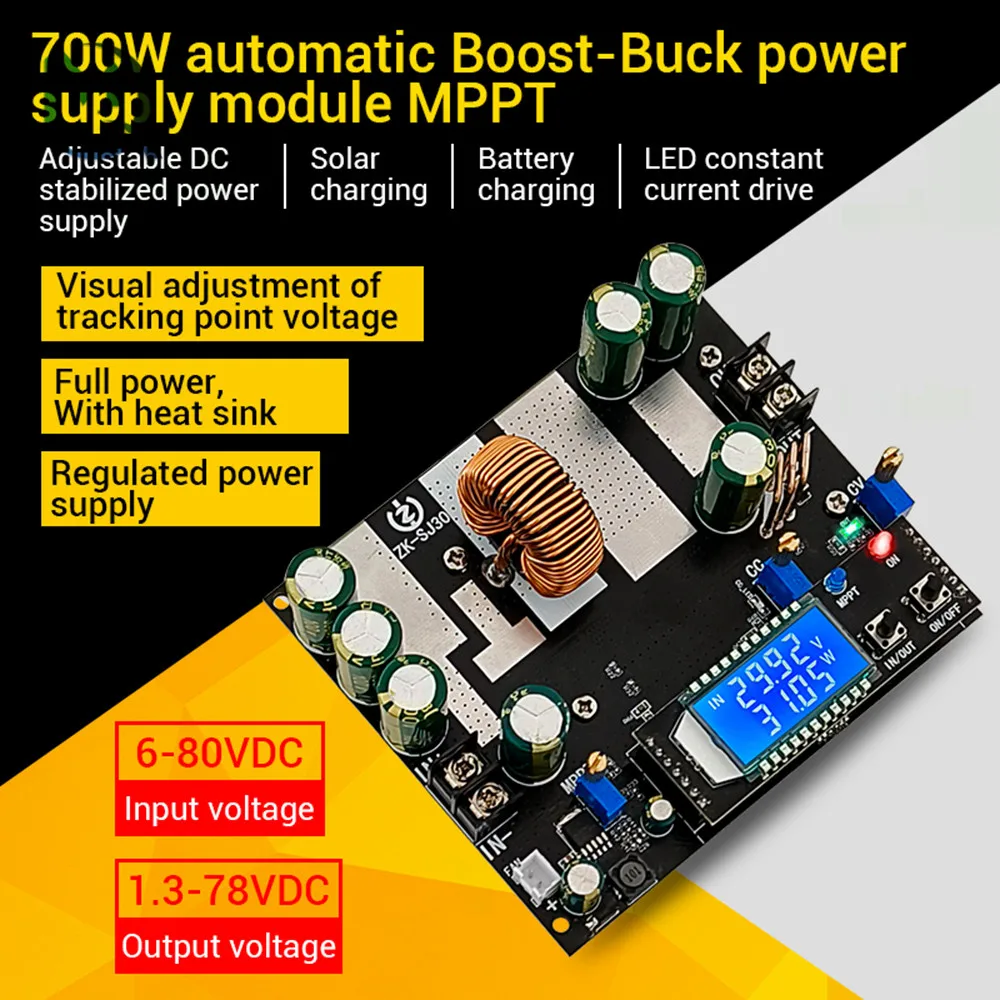
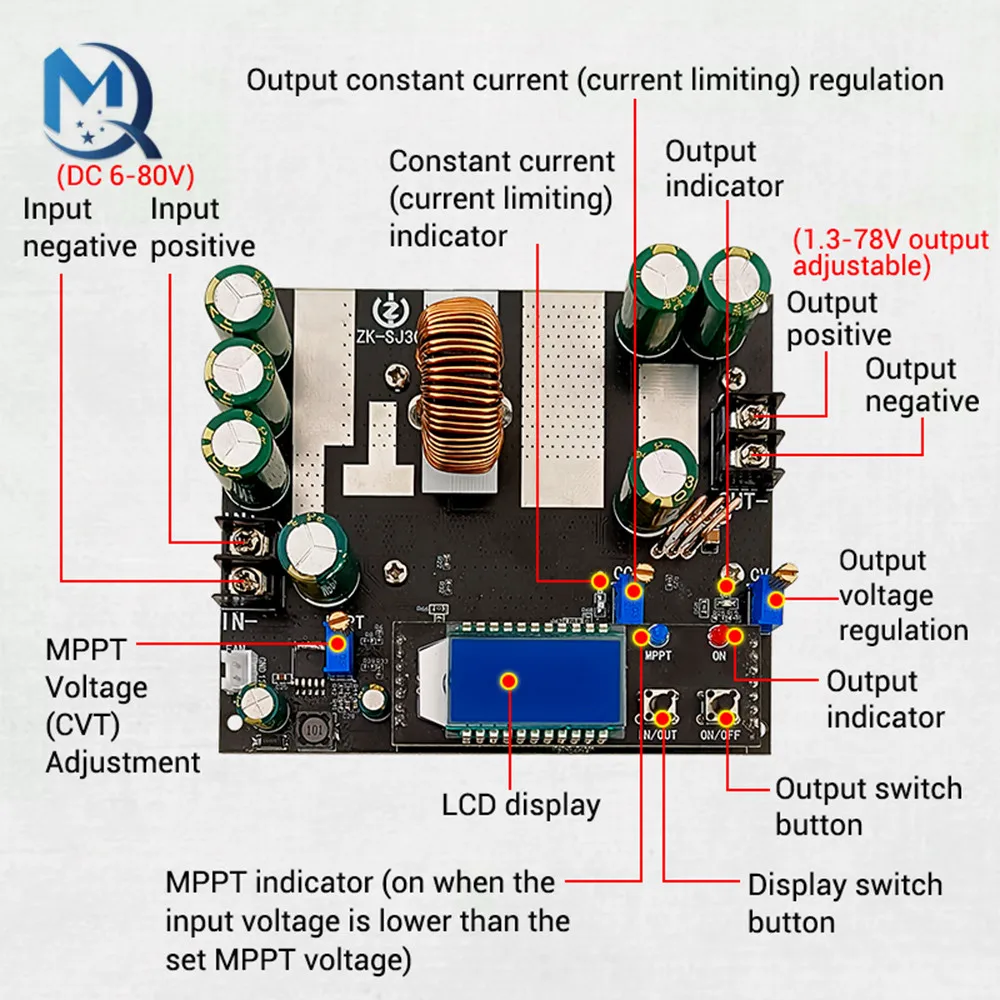
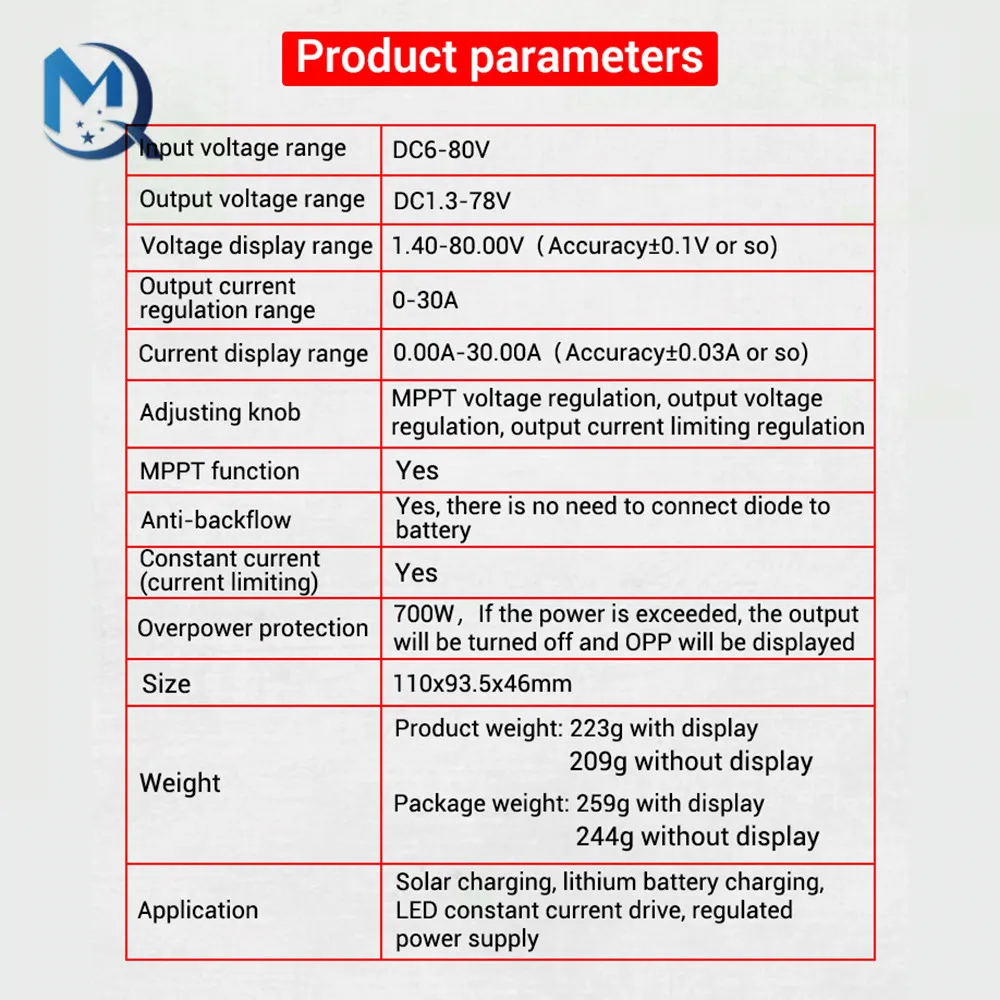
Input voltage range: DC6-80V
Output voltage range: DC1.3-78V
Voltage display range: 1.40-80.00V (accuracy ±0.1V)
Output current adjustment range: 0-30A
Current display range: 0.00A-30.00A (accuracy +0.03A or so)
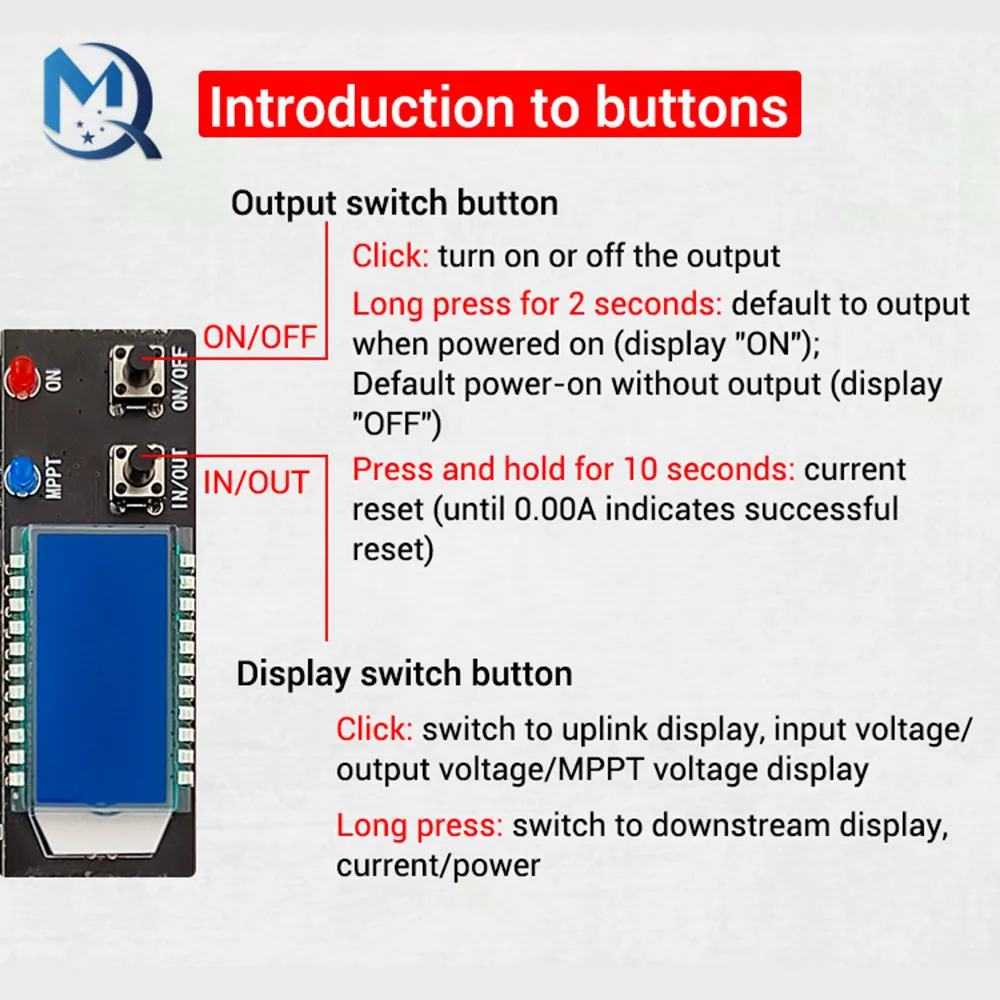
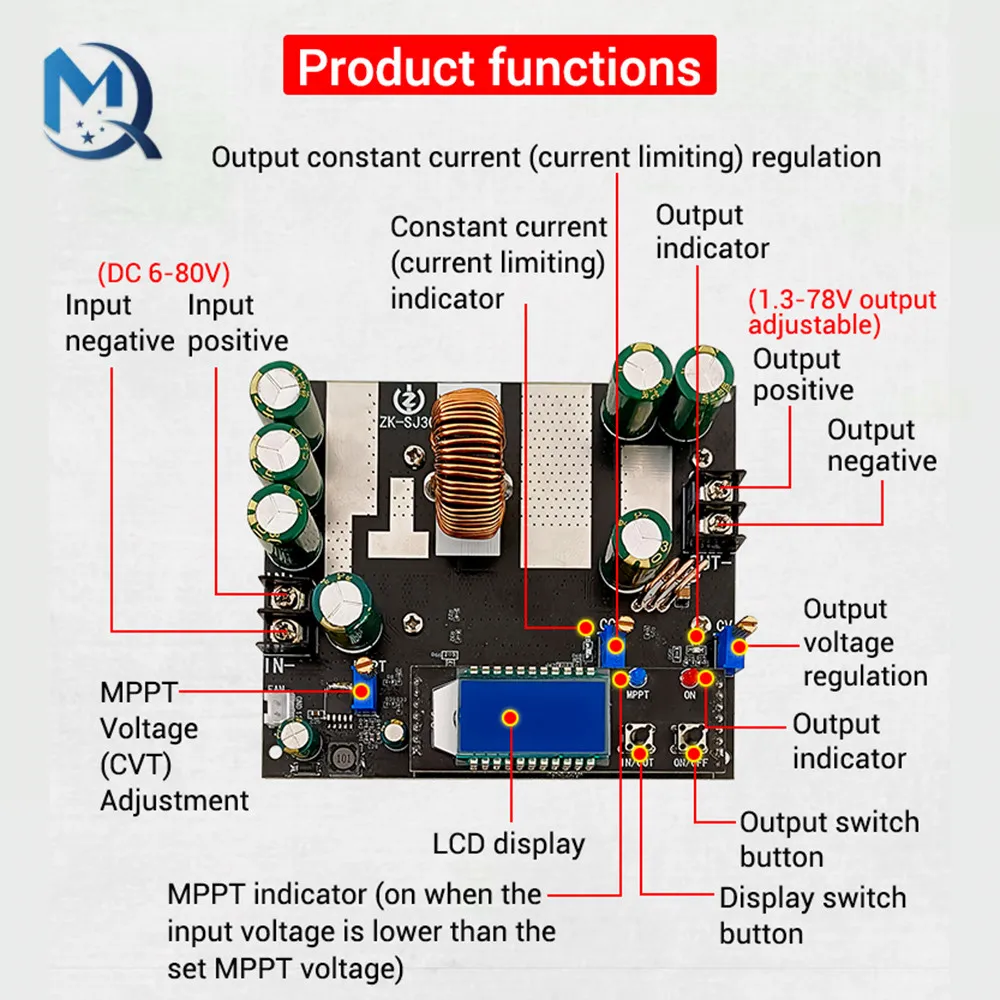
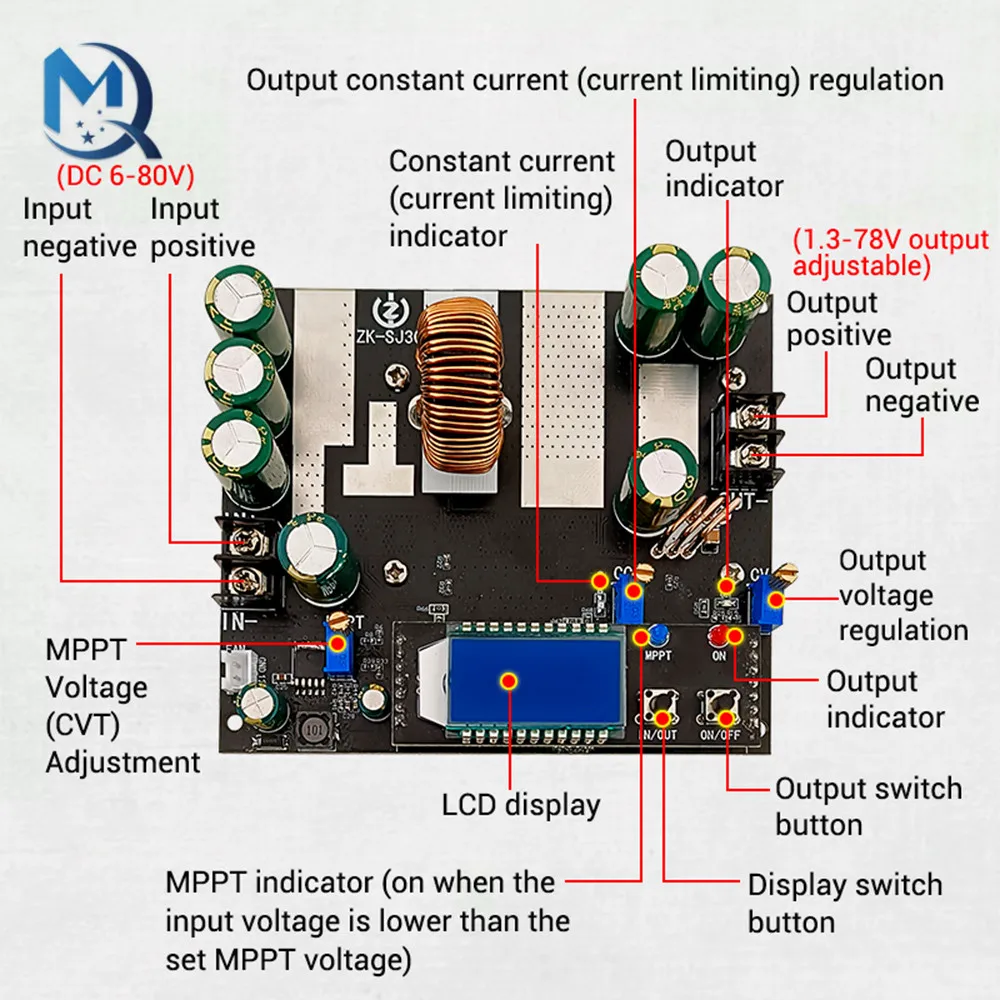
Adjusting knob: MPPT voltage regulation, output voltage regulation, output current limiting regulation
MPPT function: Yes
Anti-backfilling: Yes, no series diode is required for battery connection
Constant current (current limiting) : Yes
Over power protection: 700W, over power will turn off the output, display OPP
Solar cell charging steps:
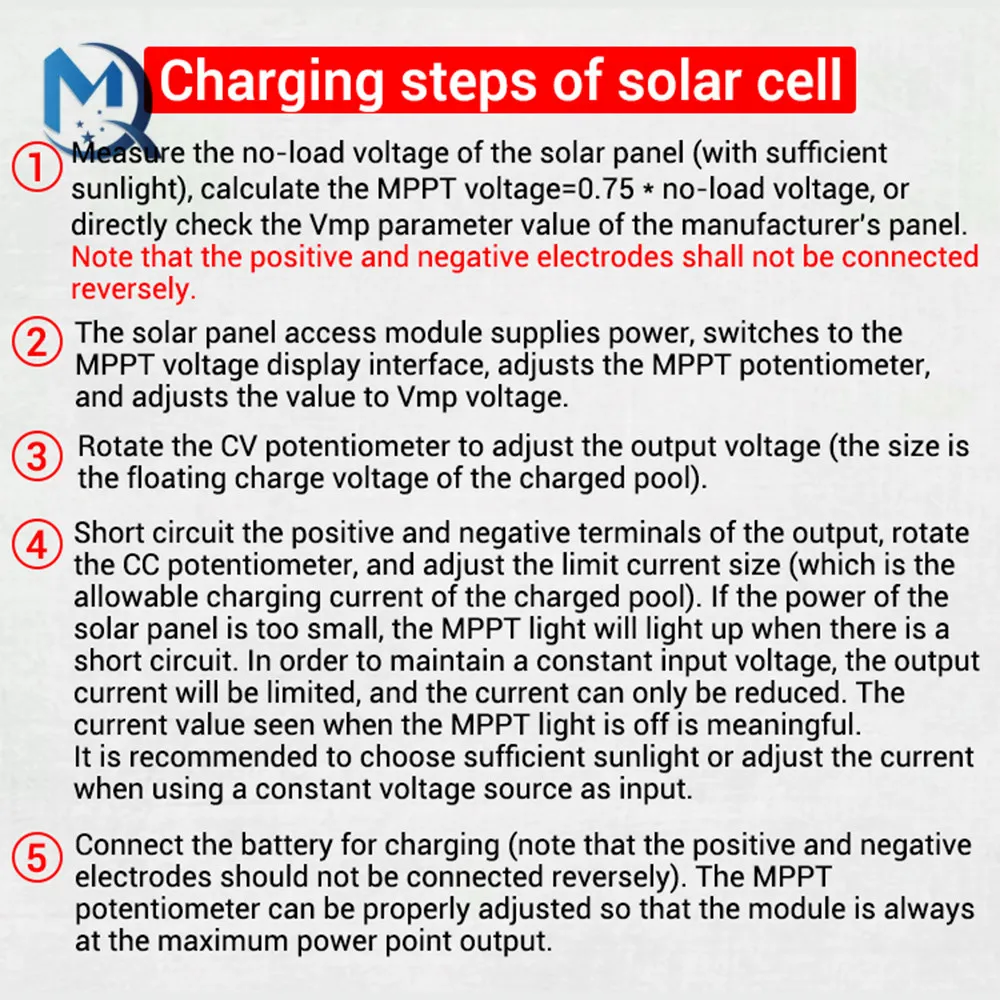
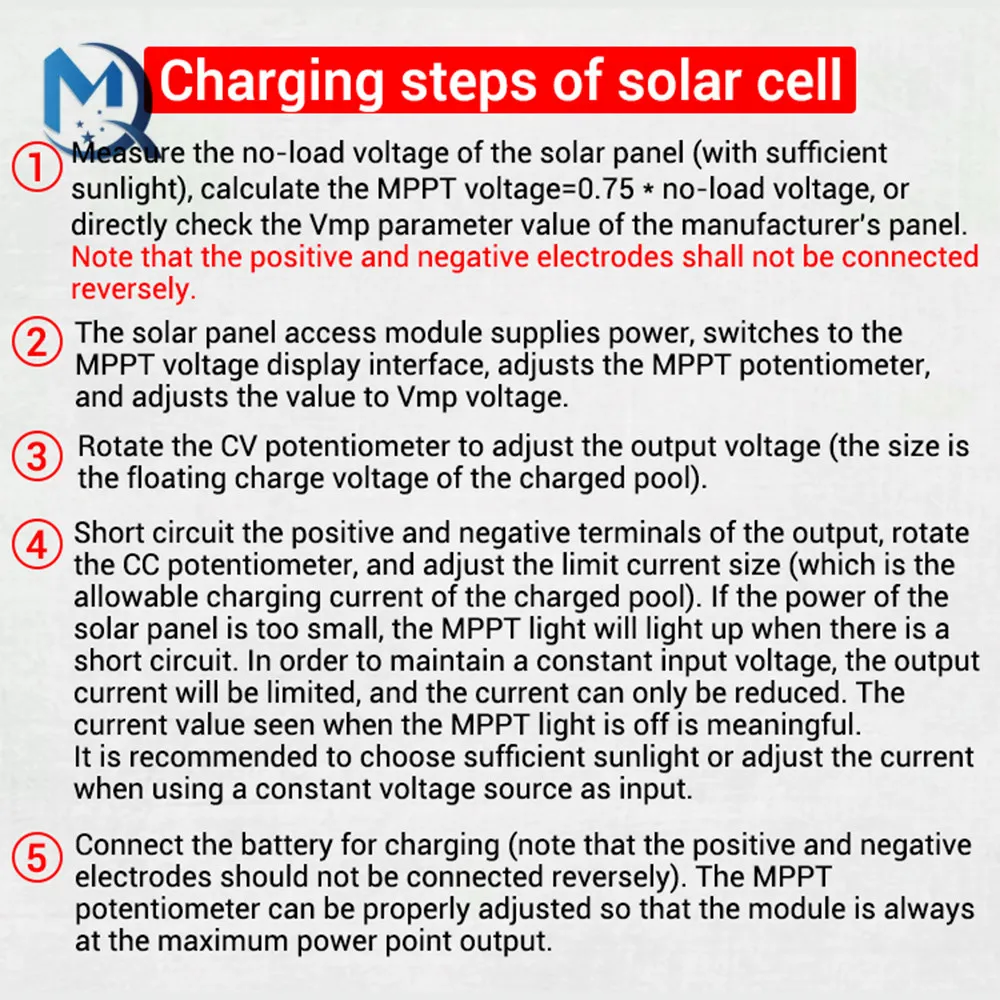
1. Measure the no-load voltage of solar panels (full sunlight), calculate MPPT voltage =0.75* no-load voltage, or directly look at the Vmp parameter value of the manufacturer's panel; Pay attention to the positive and negative terminals do not connect the opposite
2. The solar panel is connected to the power supply module, switch to the MPPT voltage display interface, adjust the MPPT potentiometer, and the value is adjusted to Vmp voltage
3. Rotate the CV potentiometer to adjust the output voltage (the size is the floating charge voltage of the charged battery)
4. Short-circuit the output positive and negative terminals, rotate the CC potentiometer, adjust the limited current size (the size is the allowed charging current of the charged battery) if the solar panel power is too small, the MPPT light will light up when the short circuit, in order to maintain the input constant voltage, the output current will be limited, the current can only be reduced, the current value seen when the MPPT light is off is meaningful; It is recommended to adjust the current when there is sufficient sunlight or when a constant voltage source is used as an input
5. Connect the battery to charge (pay attention to the positive and negative terminals do not connect the reverse), you can properly adjust the MPPT potentiometer, so that the module has been at the maximum power point output
Note:
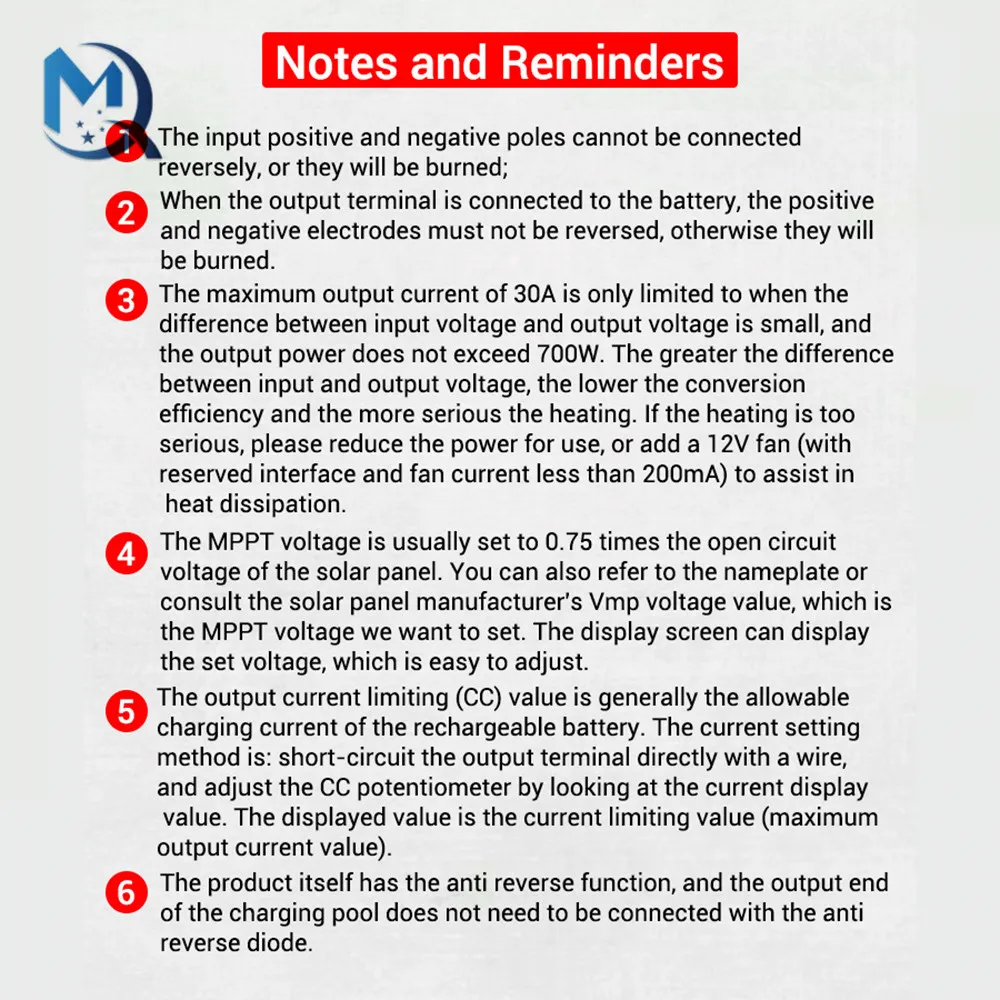
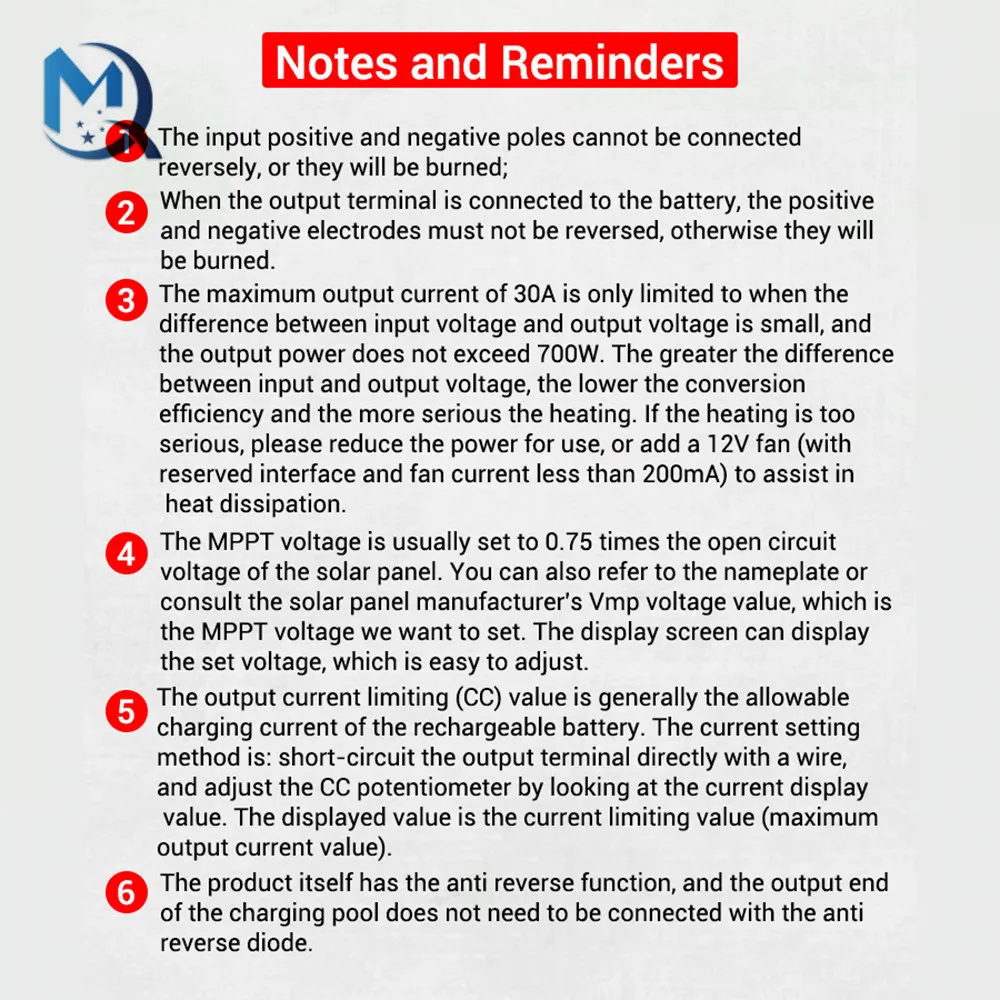
1. Input positive and negative terminals cannot be reversed, otherwise it will burn
2. When the output terminal is connected to the battery, do not connect the positive and negative terminals inversely, otherwise it will be burned
3. The maximum output current 30A is limited to when the pressure difference between the input voltage and the output voltage is small and the output power does not exceed 700W. The greater the voltage difference between input and output, the lower the conversion efficiency and the more serious the heating. If the heat is too severe, reduce the power or add a 12V fan (with reserved ports and fan current less than 200mA) to assist heat dissipation
4.MPPT voltage is generally set to 0.75 times the open circuit voltage of the solar panel, you can also see the nameplate or consult the solar panel manufacturer Vmp voltage value, Vmp voltage value is the MPPT voltage we want to set. The display can display the setting voltage adjustment at a glance, very convenient
5 output current limit (CC) value, generally the allowable charging current of the rechargeable battery, the current setting method is: the output end directly with a wire short circuit, looking at the current display value to adjust the CC potentiometer, the display value is the current limit value (maximum output current value)
6. The product itself has an anti-backdown function, and the output end does not need to connect the anti-backdown diode when charging the battery
Package include:
Elevating power module *1 (style optional)

Original: $37.99
-70%$37.99
$11.40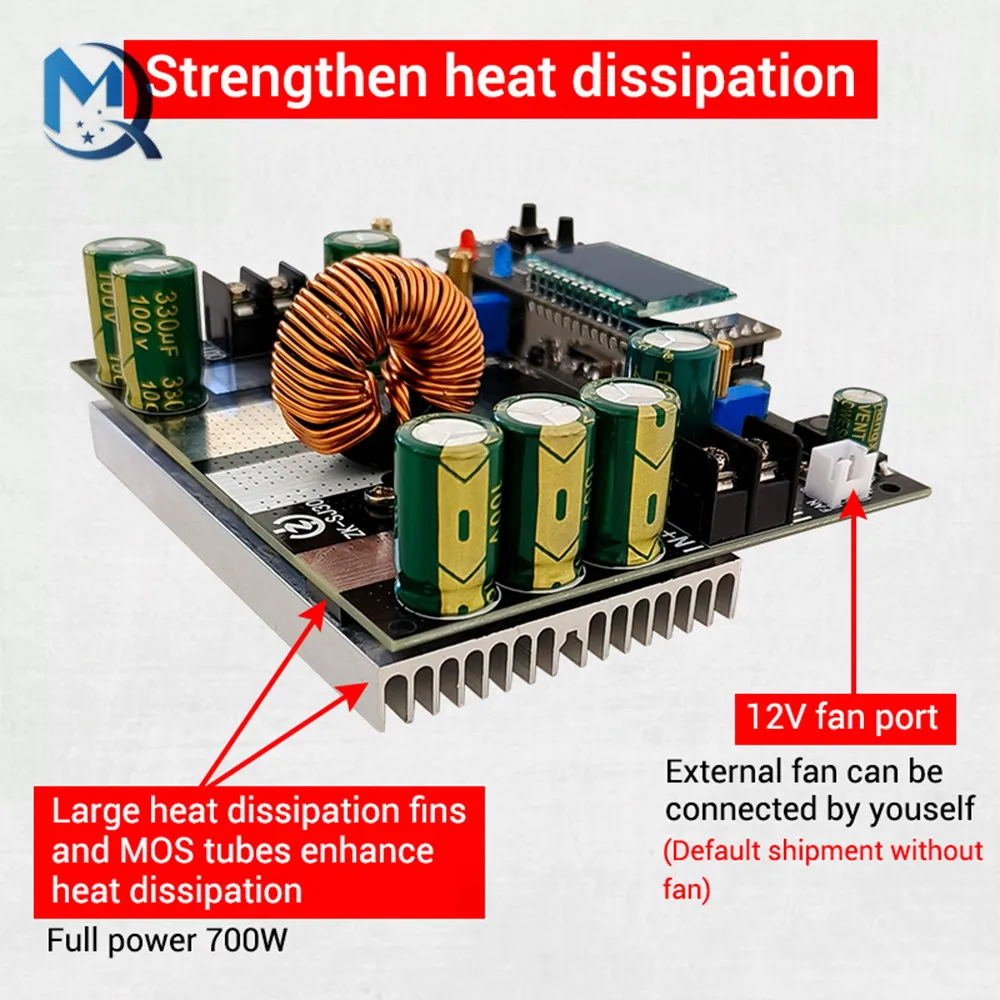

Description
Features:
1. The use of high-quality materials, durable
2. All screwscrewer-free potentiometers can be adjusted directly manually, which is more convenient to use
3. Low internal resistance high-power MOS tube, increase the heat sink, stable performance of full power 700W
4.MPPT adjust voltage real-time display, use more clear
5. Reserve 12V fan interface for customers, free DIY
6. Wide range of use, solar charging, battery lithium battery charging, LED constant current drive, regulated power supply and so on
Parameter:
Input voltage range: DC6-80V
Output voltage range: DC1.3-78V
Voltage display range: 1.40-80.00V (accuracy ±0.1V)
Output current adjustment range: 0-30A
Current display range: 0.00A-30.00A (accuracy +0.03A or so)
Adjusting knob: MPPT voltage regulation, output voltage regulation, output current limiting regulation
MPPT function: Yes
Anti-backfilling: Yes, no series diode is required for battery connection
Constant current (current limiting) : Yes
Over power protection: 700W, over power will turn off the output, display OPP
Solar cell charging steps:
1. Measure the no-load voltage of solar panels (full sunlight), calculate MPPT voltage =0.75* no-load voltage, or directly look at the Vmp parameter value of the manufacturer's panel; Pay attention to the positive and negative terminals do not connect the opposite
2. The solar panel is connected to the power supply module, switch to the MPPT voltage display interface, adjust the MPPT potentiometer, and the value is adjusted to Vmp voltage
3. Rotate the CV potentiometer to adjust the output voltage (the size is the floating charge voltage of the charged battery)
4. Short-circuit the output positive and negative terminals, rotate the CC potentiometer, adjust the limited current size (the size is the allowed charging current of the charged battery) if the solar panel power is too small, the MPPT light will light up when the short circuit, in order to maintain the input constant voltage, the output current will be limited, the current can only be reduced, the current value seen when the MPPT light is off is meaningful; It is recommended to adjust the current when there is sufficient sunlight or when a constant voltage source is used as an input
5. Connect the battery to charge (pay attention to the positive and negative terminals do not connect the reverse), you can properly adjust the MPPT potentiometer, so that the module has been at the maximum power point output
Note:
1. Input positive and negative terminals cannot be reversed, otherwise it will burn
2. When the output terminal is connected to the battery, do not connect the positive and negative terminals inversely, otherwise it will be burned
3. The maximum output current 30A is limited to when the pressure difference between the input voltage and the output voltage is small and the output power does not exceed 700W. The greater the voltage difference between input and output, the lower the conversion efficiency and the more serious the heating. If the heat is too severe, reduce the power or add a 12V fan (with reserved ports and fan current less than 200mA) to assist heat dissipation
4.MPPT voltage is generally set to 0.75 times the open circuit voltage of the solar panel, you can also see the nameplate or consult the solar panel manufacturer Vmp voltage value, Vmp voltage value is the MPPT voltage we want to set. The display can display the setting voltage adjustment at a glance, very convenient
5 output current limit (CC) value, generally the allowable charging current of the rechargeable battery, the current setting method is: the output end directly with a wire short circuit, looking at the current display value to adjust the CC potentiometer, the display value is the current limit value (maximum output current value)
6. The product itself has an anti-backdown function, and the output end does not need to connect the anti-backdown diode when charging the battery
Package include:
Elevating power module *1 (style optional)